
Success Can Make the Past Look Inevitable
There is a paradox in the history of major videogames: once successful, they often appear to have emerged from a clear and inevitable plan.
Players know the characters, gameplay systems and environments. They can describe a game's defining qualities more easily than its designers might have been able to during early development.
Dan Houser's recent comments challenge that retrospective certainty.
Speaking with Brian Altano for IGN Icons, he recalled that Red Dead Redemption and Bully experienced periods when their futures were seriously uncertain.
His perspective is particularly valuable because both games became central examples of Rockstar's ability to create original experiences outside Grand Theft Auto.
Their eventual success did not make their completion inevitable.
A Large Team Cannot Guarantee a Strong Concept
Houser emphasizes the difficulties associated with ambitious original games.
Sequels can build on recognizable mechanics, established expectations and systems created for earlier installments.
An entirely new project must discover many of those foundations during production.
Developers need to determine which activities are enjoyable, how characters interact with the environment and what connects the different mechanics.
The problem becomes particularly visible in open-world games.
Building environments and missions is expensive, but the quantity of content does not automatically create an engaging experience.
Players still need compelling reasons to explore and interact with the world.
According to Houser, finding those reasons can take long enough to place a project at risk.
The Moment Everything Finally Works
The former executive describes a familiar development phenomenon: a new build can suddenly make systems that previously seemed disconnected work together.
That breakthrough might come from revised mechanics, improved mission structures or a more coherent overall experience.
At that point, the team has something more convincing to demonstrate.
However, the moment is difficult to predict.
Budgets and schedules require deadlines, while creative discovery does not always happen according to a linear plan.
Houser also credits the people capable of maintaining a consistent direction through these difficult phases.
Determination does not guarantee success, but it can create enough time for important solutions to emerge.
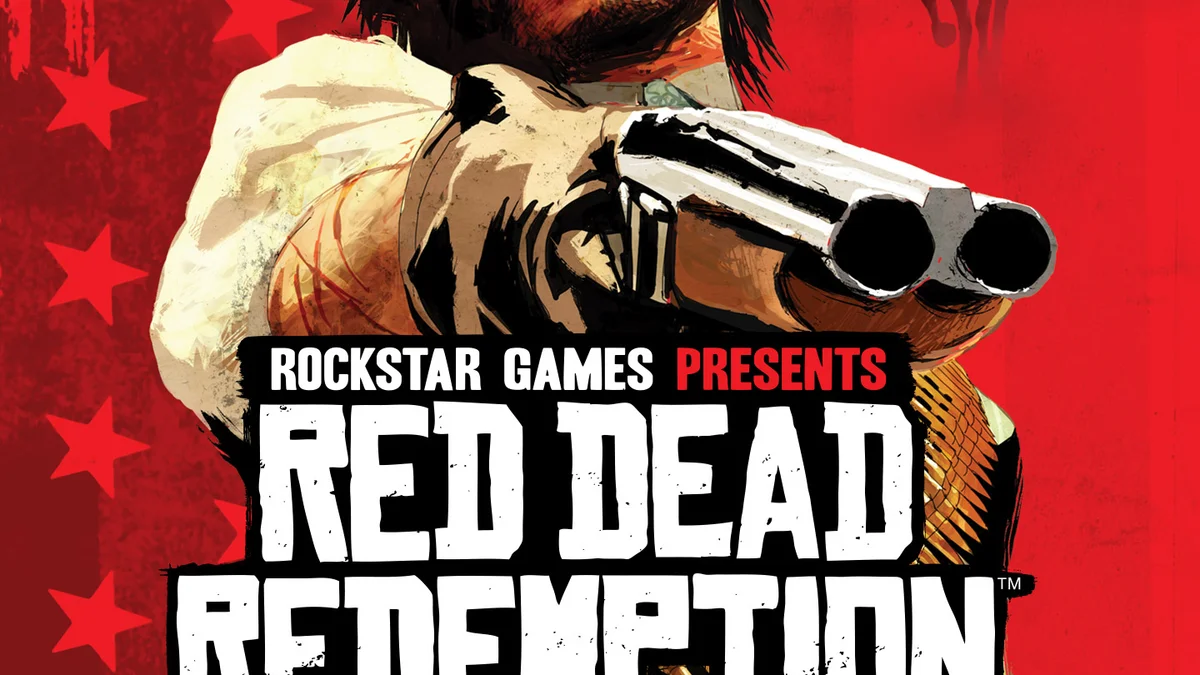
Red Dead Redemption Had to Solve a Genre Problem
Red Dead Redemption provides a particularly interesting example.
An open-world Western may seem like an obvious idea for Rockstar, given its experience with large environments and varied missions in Grand Theft Auto.
However, the formula could not simply be transferred unchanged.
The American West involves different rhythms, distances and narrative conventions.
Horseback pursuits, isolated settlements and long journeys create an experience unlike the dense traffic of a modern city.
According to Houser, developers spent considerable time discovering what would make this proposal work.
The team's persistence gradually produced a coherent connection between travel, environment and John Marston's story.
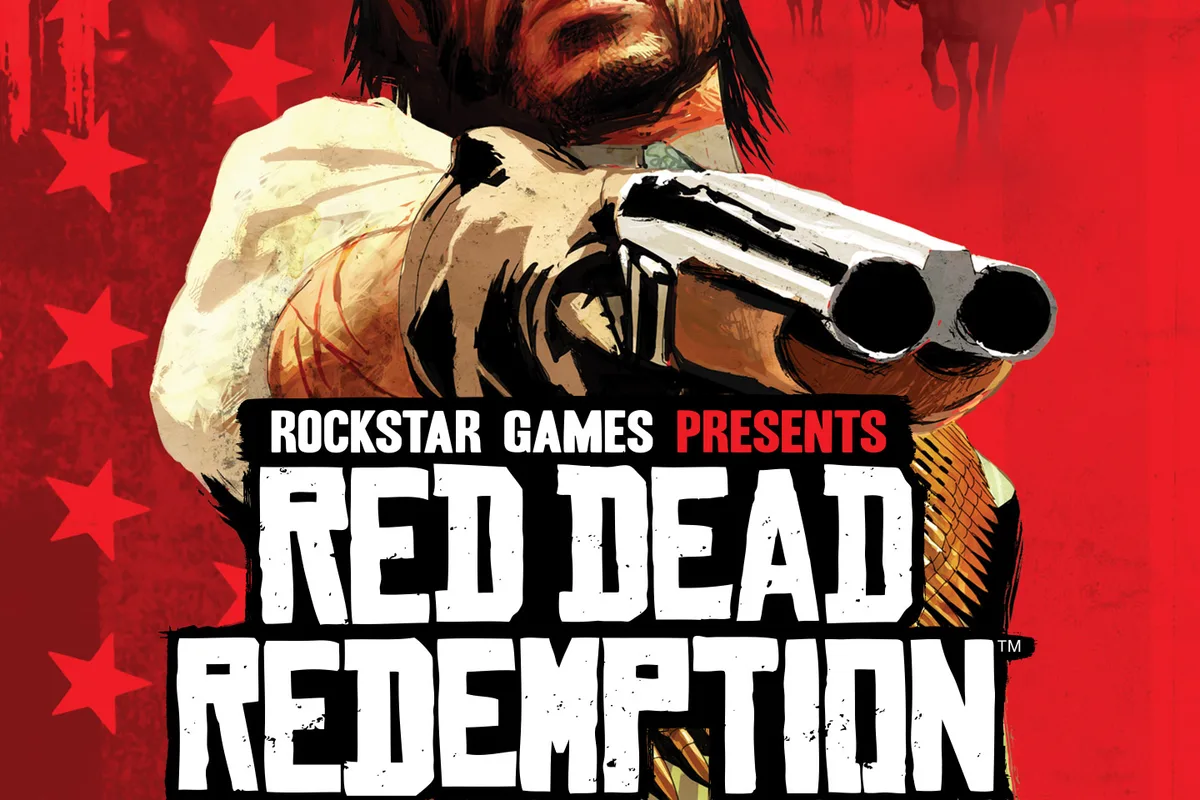
The finished game's success should not obscure the uncertainty encountered along the way.
Bully Turned the Open World Into a Small Society
Bully presented a different challenge.
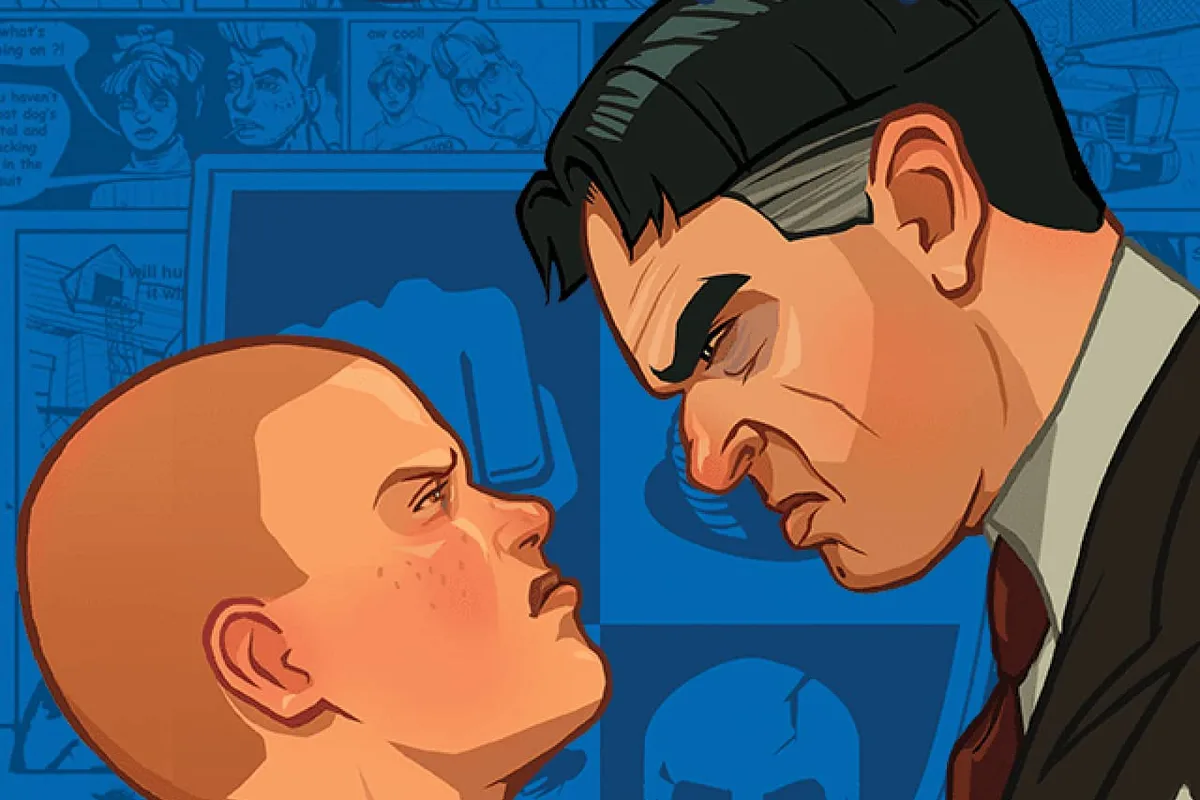
Its world centers on a school, its students, teachers and competing social groups.
The project drew on Rockstar's experience with satire, but adapted it to a smaller environment and activities suited to teenage life.
Classes, social relationships and daily schedules replaced many of the criminal activities associated with Grand Theft Auto.
That shift in scale required a different design approach.
Houser says Bully also experienced periods when its development might not have reached completion.
However, his account does not identify every internal problem or assign responsibility to particular individuals.
Its historical importance lies in revealing a process far less predictable than the finished product suggests.
Not Every Canceled Project Would Have Become a Classic
One of Houser's broader observations concerns games that were never completed.
He suggests that some abandoned productions might have become remarkable if circumstances had been different.
That does not prove that every cancellation was a mistake.
Publishers have limited resources, and extending development indefinitely can threaten other projects or the financial future of a business.
A promising concept is also not the same as a finished product.
The important lesson is that judging a project during early development does not always reveal what its final quality might have been.
Balancing creative patience with financial responsibility remains an enduring production challenge.
Bully 2 Illustrates a Different Constraint
The missing Bully sequel provides additional context, although the two interviews must remain distinct.
In September 2025, Houser explained that Bully 2 had not been completed partly because Rockstar's senior creative leadership had limited capacity to manage multiple major projects.
Even a large publisher cannot necessarily pursue every ambitious production simultaneously.
Senior personnel must divide their attention and establish priorities.
However, the October 2026 comments primarily concern the development of the original games, not a new decision regarding Bully 2.
No sequel revival has been announced.
Historical Testimony, Not a Current Rockstar Announcement
Dan Houser left Rockstar Games in 2020 and now pursues creative projects through Absurd Ventures.
His recollections have genuine historical value given his former involvement in the company's major narrative productions.
However, he does not speak as a current Rockstar executive announcing internal development plans.
The interview does not confirm Red Dead Redemption 3 or a new Bully project.
It also does not provide the budgets, production records or detailed internal decisions needed to reconstruct the precise financial difficulties behind both games.
Those limitations matter when interpreting comments about projects that nearly failed.
Game Development Is Not a Linear Process
The industry usually communicates major milestones: announcements, trailers, gameplay presentations and release dates.
Many important decisions take place between those visible moments.
Mechanics are tested, abandoned and rebuilt. Teams change their organization. Promising individual features sometimes fail once combined with the wider game.
Houser's memories demonstrate that even the most established studios face these problems.
Experienced teams may still find solutions, provided they have sufficient time and resources.
That gives his account relevance beyond Rockstar.
A game celebrated as a classic may owe its existence to imperfect decisions, late breakthroughs and favorable circumstances.
Franchises That Were Never Guaranteed to Become Classics
Red Dead Redemption and Bully ultimately demonstrated Rockstar's ability to apply open-world design to very different social and historical settings.
Both broadened the company's creative identity.
However, their history does not establish a universal rule that persistence always leads to success.
Some projects never discover a workable formula. Others do so only after prolonged uncertainty.
Houser's testimony, published by IGN and revisited on October 18, highlights precisely that unpredictability.
Games that reach players are not simply those that began with promising ideas. They are also the projects whose teams successfully solved enough problems to turn those ideas into coherent experiences.