The Contrast Between a Major Launch and Layoffs
Only weeks ago, Funcom was celebrating a significant milestone.
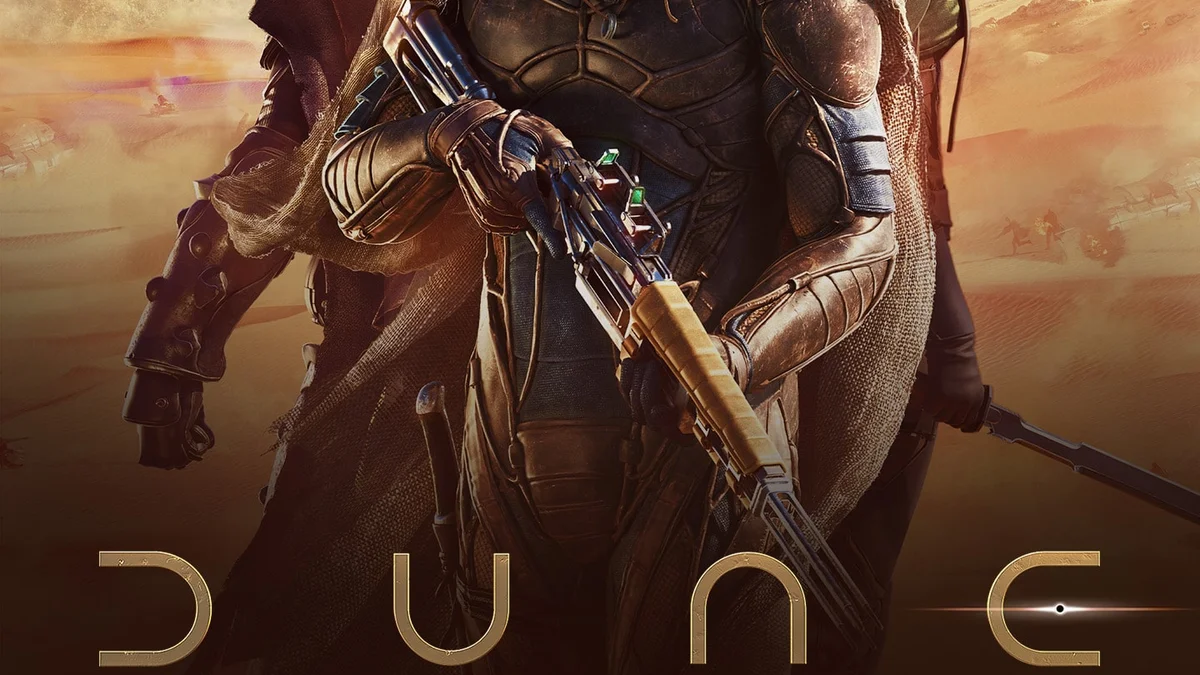
Dune: Awakening, originally launched on PC in June 2025, had finally arrived on PlayStation 5 and Xbox Series X|S.
The September 22 console launch included substantial changes, new progression options and a complete single-player mode.
Funcom could present the release as the culmination of its most ambitious development project.
On October 14, the company announced a very different development.
Its workforce would be reduced and its organization restructured around two existing games.
This is not speculation concerning a possible closure.
The decision appears in an official company statement.
Its precise scale remains unknown because no layoff total has been disclosed.
A Successful Launch Does Not Protect Every Development Job
Rui Casais describes Dune: Awakening as Funcom's largest production to date.
Creating an open world across multiple platforms required substantial staffing over several years.
However, the company now considers the main production and launch cycle complete.
An organization designed for intensive development, testing and release does not necessarily match the requirements of long-term daily operations.
That is the company's central explanation for its restructuring.
The reasoning has operational logic: staffing requirements can change between initial creation and ongoing support.
However, that does not diminish the human consequences.
Employees who contributed to a major launch may lose their positions precisely when their work becomes available to a wider audience.
It is one of the most visible contradictions of contemporary game development.
Dune: Awakening Has Not Officially Been Declared a Financial Failure
Layoffs naturally raise questions about commercial performance.
However, several different indicators must remain separate.
Dune: Awakening sold one million copies within two weeks of its PC launch.
Funcom described that as the fastest-selling launch in its history.
Subsequent months brought declining concurrent player counts and debate surrounding PvP and the endgame.
Those developments help describe the game's trajectory.
They do not establish its total financial performance.
Concurrent player numbers are not equivalent to cumulative sales, and declining engagement does not directly reveal profit margins.
The console launch also introduced additional sales activity that is not fully quantified in the restructuring statement.
It would therefore be misleading to claim that layoffs prove Dune: Awakening was commercially unsuccessful.
The Shift Toward Solo and PvE Play Shows an Evolving Strategy
Recent changes to Dune: Awakening provide clearer evidence of Funcom's priorities.
The game was originally promoted for its multiplayer ambitions and faction-based conflict.
September's update broadened its appeal.
Solo and PvE options now allow players to experience Arrakis without participating in competitive encounters.
Progression penalties and parts of the endgame were also redesigned.
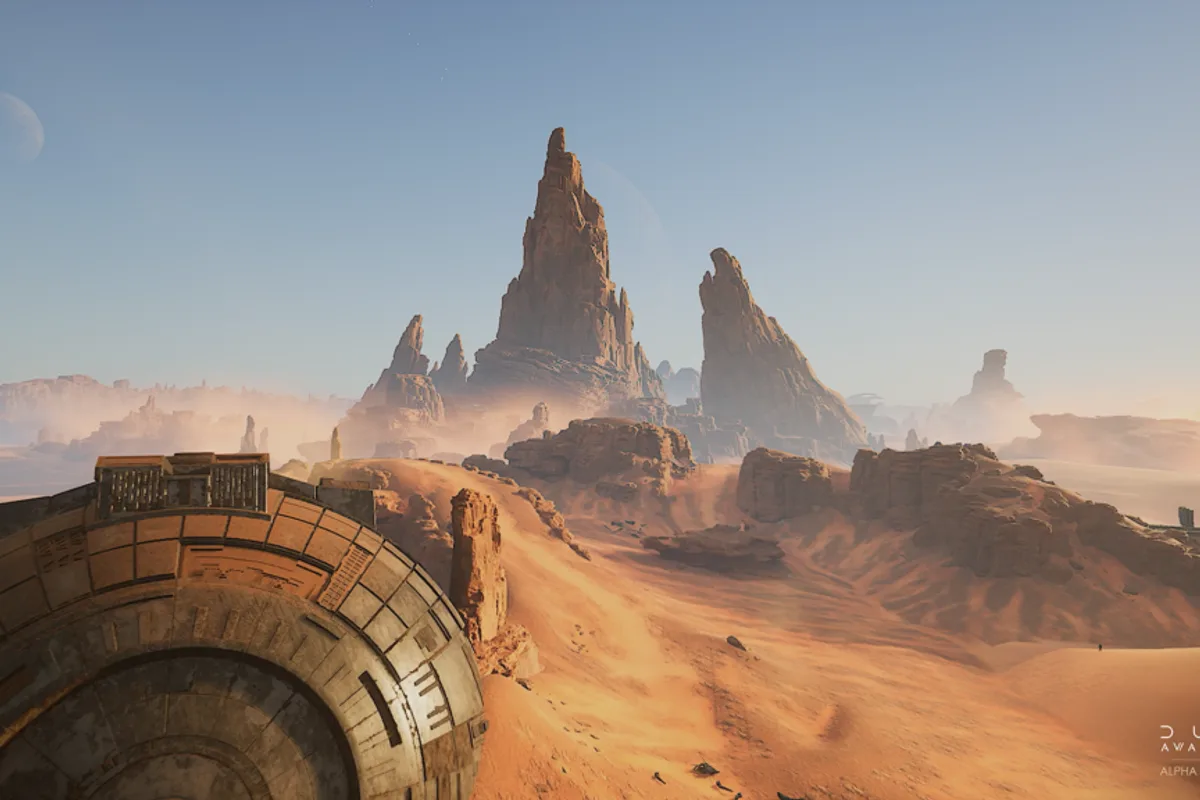
This evolution is significant because Funcom is trying to accommodate different audiences within one product.
Cooperative survival players, solo adventurers and competitive groups do not necessarily want the same systems.
Adapting to those audiences requires substantial development work.
The restructuring does not mean Dune: Awakening is finished.
It changes the organization responsible for its future evolution.
Conan Exiles Remains a Strategic Asset
Funcom's new strategy does not depend solely on Dune.
Conan Exiles occupies a central place in the company's commercial history.
Funcom says the game recovered its development budget five days after its initial launch.
Its longevity provides an example of a game retaining commercial activity years after its earliest releases.
The Enhanced edition and the Legacy of the Giant-Kings updates demonstrate continued investment during 2026.
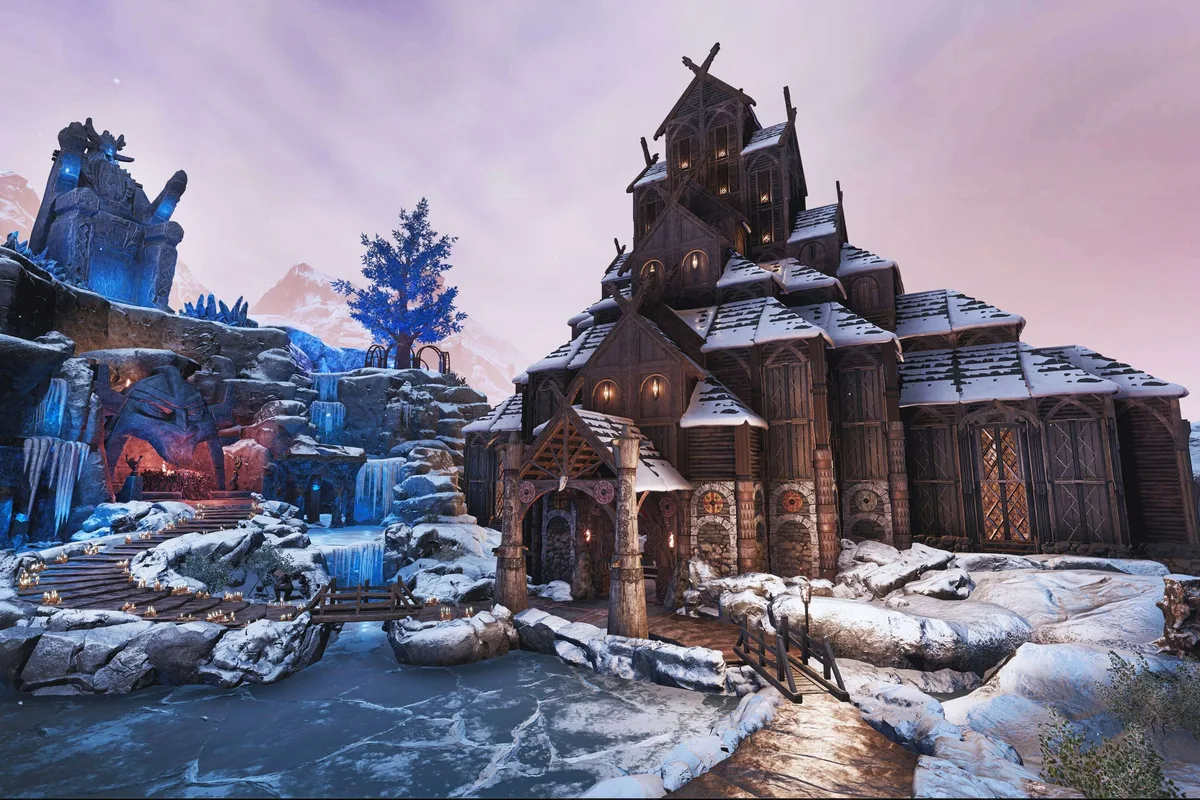
The industrial logic is clear: Funcom already possesses a recognizable game, an established community and systems that can support further development.
However, longevity does not guarantee that every future expansion will be profitable.
The official statement establishes strategic priorities, not a detailed financial forecast.
Rui Casais Is Departing After an Era of Expansion
The leadership transition makes the restructuring especially significant.
Rui Casais has spent 22 years at Funcom, including 11 as CEO.
His career began on Age of Conan before he progressed into technology leadership and ultimately the chief executive position.
During his tenure, Funcom experienced substantial changes.
The company developed Conan Exiles, joined Tencent, expanded its production capacity and grew its publishing operations.
Its publishing activities included titles such as Metal: Hellsinger, Mutant Year Zero and Aloft.
It also created Dune: Awakening, its largest project so far.
Casais' departure therefore marks the end of a period focused on growth and expansion.
However, the transition should not be interpreted as an officially established disciplinary action.
Casais describes it as a handover appropriate to the company's next phase.
Scott Junior Reflects the Focus on Long-Term Operations
The choice of successor reinforces that direction.
Scott Junior has worked at Funcom for 25 years.
He possesses direct experience with online games and post-launch operations.
His earlier responsibilities include Age of Conan, The Secret World and Conan Exiles.
He also played a major production role on Dune: Awakening.
His background aligns with a business increasingly concentrated on two commercially available worlds.
That does not guarantee the strategy's success.
It does reveal the expertise Funcom wants to place at the center of its leadership.
Cost Reductions Without Financial Details
One of the most important aspects of the story is what remains undisclosed.
Funcom has not published a layoff total or a complete post-restructuring staffing breakdown.
It has not provided an official estimate of the savings it expects to generate.
Nor does the statement disclose Dune: Awakening's full development budget or its console-launch margins.
It is therefore impossible to calculate the exact budget reduction or compare it with the annual cost of supporting both games.
Management describes the decision as an organizational adjustment to a new phase.
Readers should distinguish that explanation from the financial results needed to assess its full consequences.
Employees Face Another Period of Uncertainty
The restructuring primarily affects the people who helped build Funcom's games.
Technical, creative, quality-assurance and support teams develop expertise over many years.
When a company reduces staffing, it can lose some of that accumulated knowledge.
Remaining employees must then distribute responsibilities differently.
It would be premature to conclude that Funcom will necessarily suffer from a particular skills shortage.
However, preserving institutional knowledge is a normal challenge during major reorganizations.
Funcom promises to treat affected employees with transparency and respect.
The practical measures will need to be assessed when more information becomes available.
Other Franchises Have Not Been Officially Canceled
Dune: Awakening and Conan Exiles are now Funcom's two principal operational priorities.
However, the official statement does not announce a list of canceled projects.
That distinction matters for a company with an extensive catalog and multiple intellectual properties.
A narrower focus may involve delayed projects, lower investment or revised schedules.
It does not automatically mean every other game has been abandoned.
Earlier comments by Joel Bylos about the company not being ready to begin a new game are consistent with a period of consolidation.
They do not replace a formal announcement of any specific cancellation.
Funcom Reflects a Wider Challenge in Live-Service Economics
The situation highlights a common tension in long-term game development.
Initial production requires substantial resources, while ongoing operations must balance maintenance, new content and revenue.
An active community may sustain a game for years, but it also expects improvements and fresh experiences.
For publishers, reducing costs may become a priority after a major launch.
For developers, that transition can arrive suddenly just as their work reaches the public.
The challenge is not unique to Funcom.
However, the short interval between Dune: Awakening's console release and the layoff announcement makes it particularly visible here.
A Strategy Whose Results Remain Uncertain
Following the restructuring, Funcom intends to operate as a company more closely focused on the continuous development of two major survival games.
It possesses established communities, substantial experience and products available across multiple platforms.
However, it must also manage the human consequences of layoffs, preserve essential expertise and maintain development that satisfies its players.
The strategy's long-term results will depend on future content, community engagement and the company's ability to finance continued production.
Those outcomes are not yet known.
What is established is the October 14 decision: Funcom is reducing its organization, preparing a leadership transition and concentrating resources on Dune: Awakening and Conan Exiles.
The company says it wants both games to continue growing. The next question is how it will achieve that with fewer employees and what the transformation will mean for the people who helped build its recent expansion.