
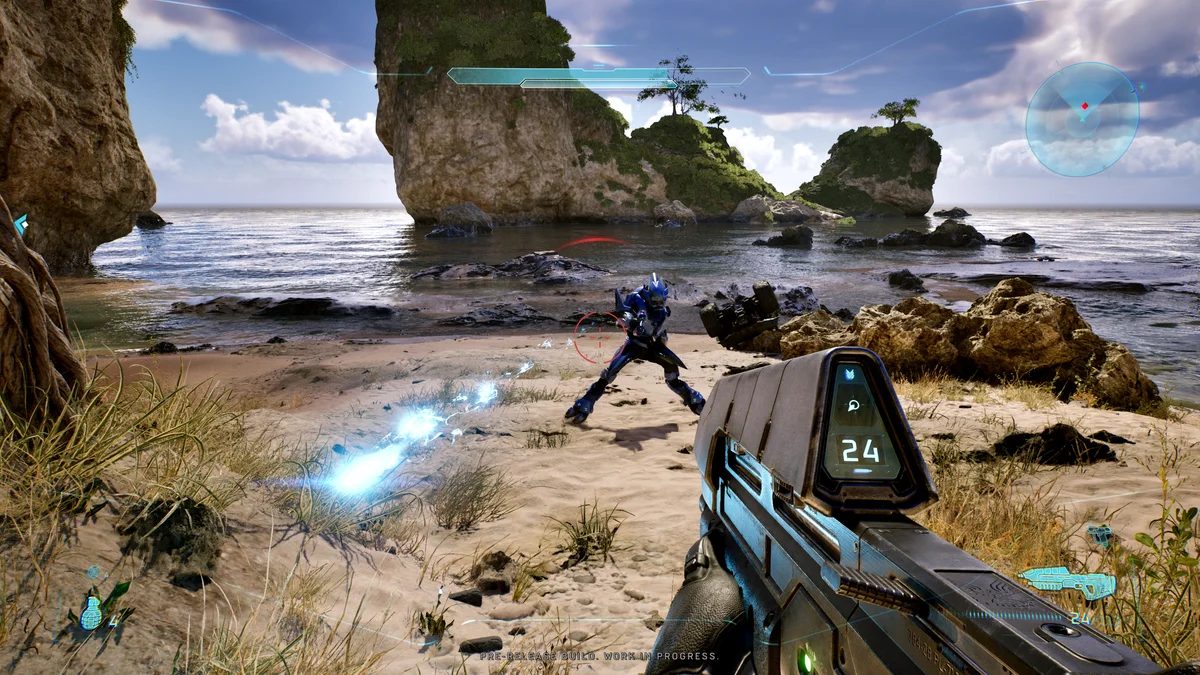
Halo Is Searching for Its Position in a Changed Market
For years, Halo was one of Xbox's defining franchises.
Its multiplayer identity was built around weapon mastery, memorable maps and carefully balanced movement.
However, the shooter market has evolved considerably.
Battle royale, extraction shooters and persistent live-service games now compete for players' attention using very different systems.
Against that background, experimenting with a different Halo format could have appeared commercially attractive.
Reports concerning Project Tatanka and Project Ekur describe precisely that search, although their full development history remains unconfirmed.
Changing Concepts Raise Questions About Creative Direction
According to the October account, Tatanka began as a battle royale project.
It then evolved into Ekur, combining extraction-style objectives, competing squads and environmental threats.
Halo Studios subsequently considered a more traditional Unreal Engine multiplayer experience, the reports claim.
If accurate, that sequence raises a familiar industry question: how should a successful franchise adapt when commercial trends and existing audience expectations do not necessarily align?
A popular genre does not guarantee that its mechanics suit Halo.
Yet preserving an established arena-shooter identity does not automatically attract new audiences either.
The complete internal reasoning remains unavailable.
Ekur Reportedly Had a Distinctive Identity
HiddenXperia's account describes more than a straightforward imitation of existing multiplayer games.
The concept allegedly combined Spartans, Banished Brutes and the Flood.
Playable Brutes could have provided an unusual perspective on the franchise's conflicts.
Spreading Flood contamination might have created a changing environmental threat independent of rival squads.
Large boss encounters could have encouraged temporary alliances between competing teams.
These ideas would have used Halo's science-fiction identity to distinguish a familiar multiplayer structure.
However, design intentions are not proof of a successful playable product.
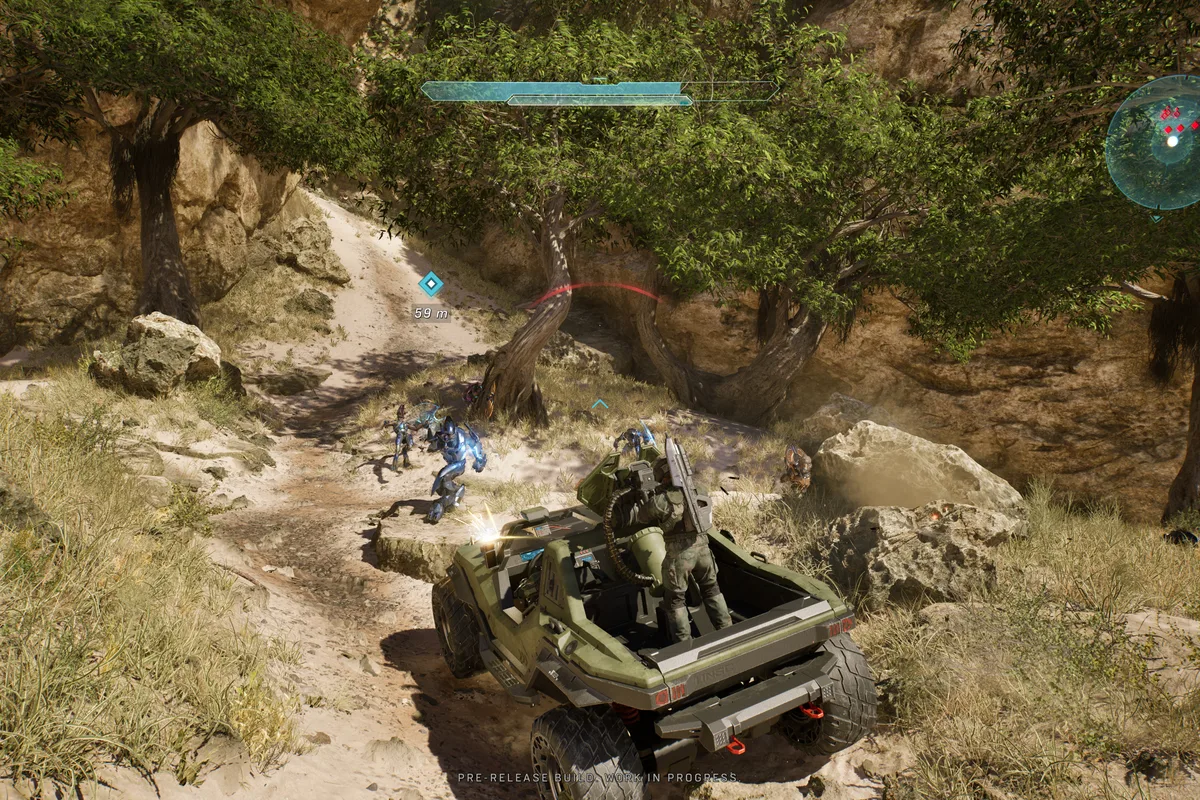
Illustration: Halo: Campaign Evolved. No authenticated official imagery from Project Ekur was identified.
Earlier Reporting Provides Important Context
Ekur's alleged cancellation was discussed before October.
Rebs Gaming covered the project during the summer.
In July, Insider Gaming reported allegations of changing leadership decisions, development difficulties and unfavorable market research concerning a Halo battle royale.
Those allegations were not official Microsoft statements.
October's reporting expands the description of the supposed gameplay but does not independently verify every management claim.
It would be inappropriate to assign complete personal responsibility for the alleged failure without stronger documentation and responses from those concerned.
Campaign Evolved and Reported Staff Reassignments
Anonymous sources claim that developers were moved from multiplayer projects to Halo: Campaign Evolved.
The remake rebuilt the original Halo campaign with Unreal Engine 5 and introduced new missions.
It officially launched on July 28, 2026.
Claims about production difficulties and their influence on separate projects remain reported information.
Development teams may be reassigned for reasons involving schedules, budgets, technical needs or portfolio priorities.
Without internal records, the relative importance of those factors cannot be established in this case.
Microsoft Confirmed a Major Reorganization in September
On September 22, Microsoft announced a restructuring across several Xbox organizations.
Matt Booty's statement confirmed the elimination of 268 positions covering Halo Studios, other first-party studios and central functions.
The company also confirmed a new distribution of development responsibilities.
A dedicated team under Activision will develop the next Halo title.
A smaller Halo Studios group will continue supporting existing releases and the community.
These are official decisions, distinct from anonymous claims about unannounced projects.
The Challenge of Preserving Institutional Knowledge
Developing a franchise such as Halo requires accumulated expertise.
Understanding maps, weapons, enemy behavior and community expectations cannot always be transferred simply by adopting a new engine.
Reorganization can bring different capabilities together, but newly responsible teams may also require time to establish continuity.
Microsoft has confirmed its organizational decision.
Its effectiveness cannot be evaluated until future Halo projects are publicly demonstrated and released.
The Question Goes Beyond Battle Royale
The central issue is not simply whether battle royale remains popular.
Halo must determine whether to compete directly with major live-service titles or emphasize the arena-shooter identity that originally distinguished it.
Project Ekur reportedly attempted to bridge those approaches.
However, no publicly authenticated build establishes that the proposed mechanics would have worked together successfully.
Similarly, reports describing internal audience research cannot be treated as a definitive verdict from the entire Halo community without access to the studies and their methodology.
An Industrial Story With Significant Gaps
The reported history points to an unsettled period of development, but it does not provide a complete record of Microsoft's decisions.
Anonymous sources offer possible insights into discarded concepts.
Official communications establish Campaign Evolved's release and September's restructuring.
Between these two categories of information, significant uncertainty remains.
There is no confirmed Ekur release date, publicly documented budget or authenticated gameplay demonstration.
Its commercial prospects therefore cannot be assessed reliably.
Halo's Official Future Now Lies With a Different Organization
The most significant contrast concerns the past and future of the franchise.
An experimental multiplayer project was reportedly abandoned after changes in direction.
Microsoft has now officially assigned development of the next Halo title to a new Activision-led team.
The restructuring is confirmed; its eventual results remain unknown.
Project Ekur may illustrate the paths explored before that decision, but future games will reveal what the new organization chooses to build.
For now, players have a released campaign remake, official statements about the development structure and unconfirmed reports about canceled projects.
Keeping those categories separate is essential to understanding how Halo reached this point and what can genuinely be said about its future.