
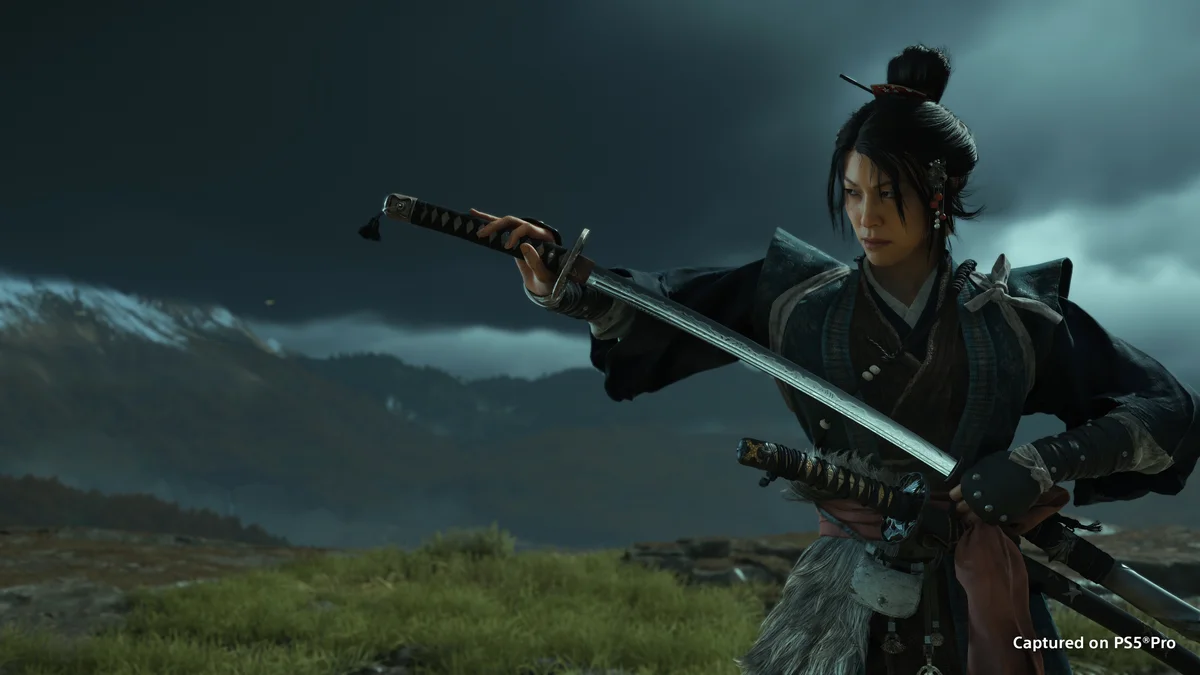
Some video game characters become recognizable through movement alone.
A familiar stance, the way a sword is drawn or a brief gesture before combat can carry as much identity as a character's costume or dialogue.
For Jin Sakai, those details are particularly important.
Ghost of Tsushima established a protagonist whose physical behavior reflected his training, discipline and gradual transformation into the Ghost.
When Sucker Punch decided to bring him into Ghost of Yōtei's Most Wanted mode, the development team faced a challenge that went far beyond adapting his visual appearance.
The importance of recognizable gestures
Sucker Punch restored more than 60 combat animations associated with Jin.
Those movements required substantial adaptation to the newer game's technology, but the animation team also paid attention to quieter details.
One example is a rarely seen idle animation in which a bird lands on Jin's hand.
The developers brought it into Most Wanted's character-selection interface, preserving a small connection to the more reflective moments of Ghost of Tsushima.
His character-selection sequence also references a cinematic moment from the earlier game involving the recovery of his family's sword.
These choices are not necessary for combat functionality.
They matter because they reinforce the impression that the returning character is the same person players remember, rather than a new fighter wearing his costume.
The challenge of preserving a familiar face
The character-art team had to reconcile two different generations of rendering technology.
Jin was originally built for Ghost of Tsushima on PlayStation 4, whereas Ghost of Yōtei was developed for PlayStation 5.
Simply importing the original character model would have made him appear less detailed than the newer cast.
Yet extensive redesign risked changing his recognizable appearance.
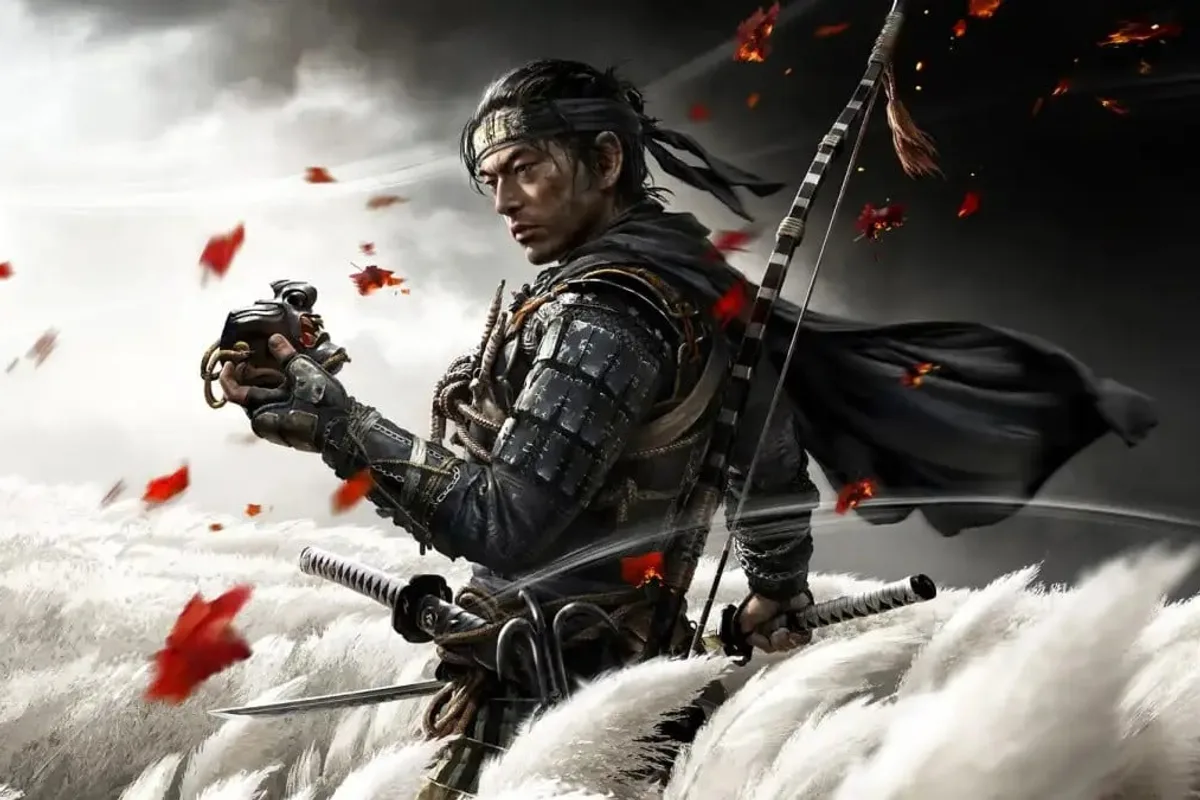
Character artist Nate Ramsey explained that the team worked from the original textures, carefully refining Jin's facial hair, skin, lips and scar.
The armor received similar treatment.
Materials such as metal, leather and cloth were updated to suit the newer rendering system while retaining the visual character established in Ghost of Tsushima.
The result was intended to feel like a faithful continuation rather than a reinterpretation.
Daisuke Tsuji returns to the role
Sucker Punch also brought Daisuke Tsuji back to record new Jin Sakai dialogue.
The sessions included confrontations with members of the Yōtei Six and produced additional lines that the studio was able to incorporate into the main game.
The decision reinforced the continuity between the character's original appearance and his new playable role.
Jin's voice is inseparable from the emotional range of Ghost of Tsushima, including the contrast between his formal samurai identity and the less conventional persona he develops throughout the story.
His audio identity extends to smaller details.
The development team rebuilt the movement sounds associated with his Ghost armor using the newer game's animation and audio systems.
His musical theme was also revisited, including a new recording featuring Justin Johnson on lap steel guitar.
Together, these elements restore the character's atmosphere as much as his combat capabilities.
A return that does not replace Atsu's story
Most Wanted is a separate single-player roguelike survival mode rather than a new Jin Sakai campaign.
Players select different characters and undertake repeatable combat challenges, using abilities suited to each fighter.
Jin retains his four sword stances and recognizable techniques, adapted to Ghost of Yōtei's newer combat systems.
Atsu remains the protagonist of the principal adventure.
The mode therefore provides an opportunity to revisit the original hero without changing the narrative identity of the newer game.
Most Wanted has been available through Ghost of Yōtei Complete Edition since October 1, 2026. The November development feature explains work already completed rather than announcing new content.
A video game character is something players remember doing
Jin's return demonstrates how differently a playable character can be remembered compared with a character seen only in a film or television series.
Players do not merely recall his appearance and voice. They remember performing his attacks, timing his parries and switching between his sword stances.
Changing those actions too substantially could make the character feel unfamiliar even if his visual design remained accurate.
Sucker Punch therefore had to preserve a particular sense of physical identity while updating the underlying game systems.
The attention given to small gestures, recognizable movements and familiar sounds is what makes this more than an exercise in nostalgia.
Jin Sakai has returned not simply as an image of a remembered hero, but as a character players can recognize through the way he moves and fights.