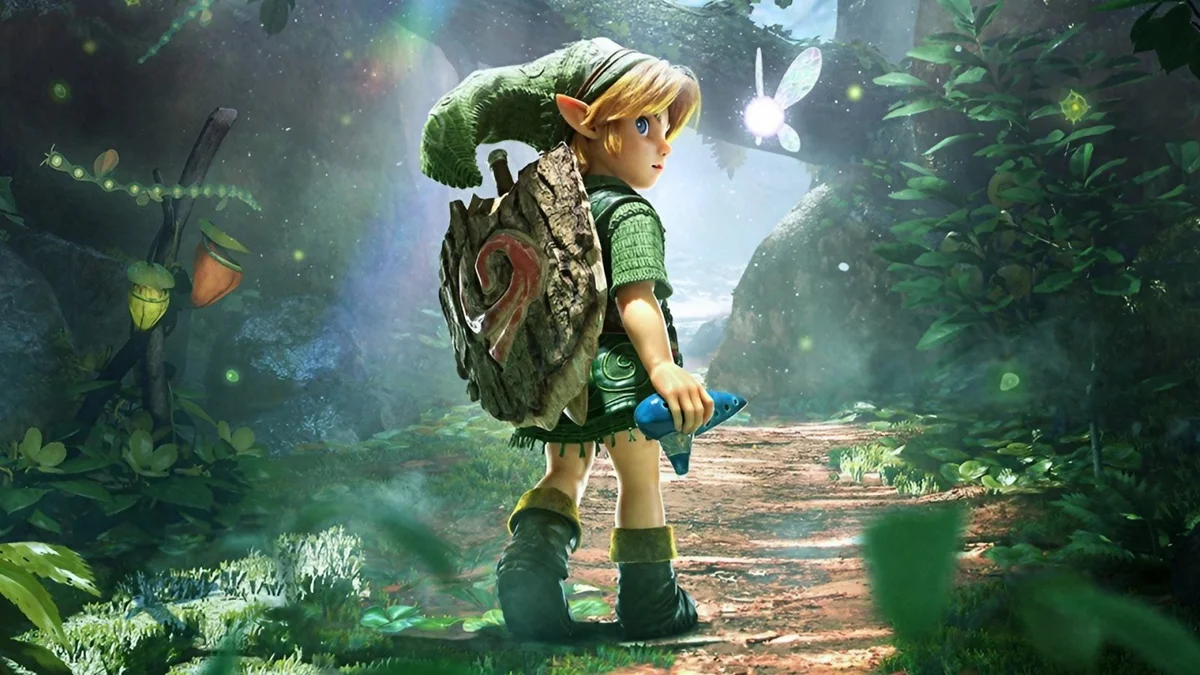
The silence of Ocarina of Time was never entirely empty. Its characters communicated through text, gestures, musical cues and the exaggerated expressions possible on Nintendo 64 hardware. Players supplied much of the rhythm and personality that the technology could not fully express.
Nintendo's remake approaches that familiar world from a different direction. The environments have been rebuilt, its characters speak during cutscenes and the soundtrack has been rearranged for symphonic performance.
A new voice for the people of Hyrule
Fully voiced cutscenes represent a significant change for the 1998 adventure. Zelda, Impa and the many inhabitants of Hyrule were originally presented through written dialogue and relatively simple animations.
The remake adds recorded performances and expanded exchanges, giving those encounters a more explicitly cinematic quality. Voice acting can make characters feel more immediate, but it also replaces some of the imaginative freedom that existed when their personalities were communicated almost entirely through text.
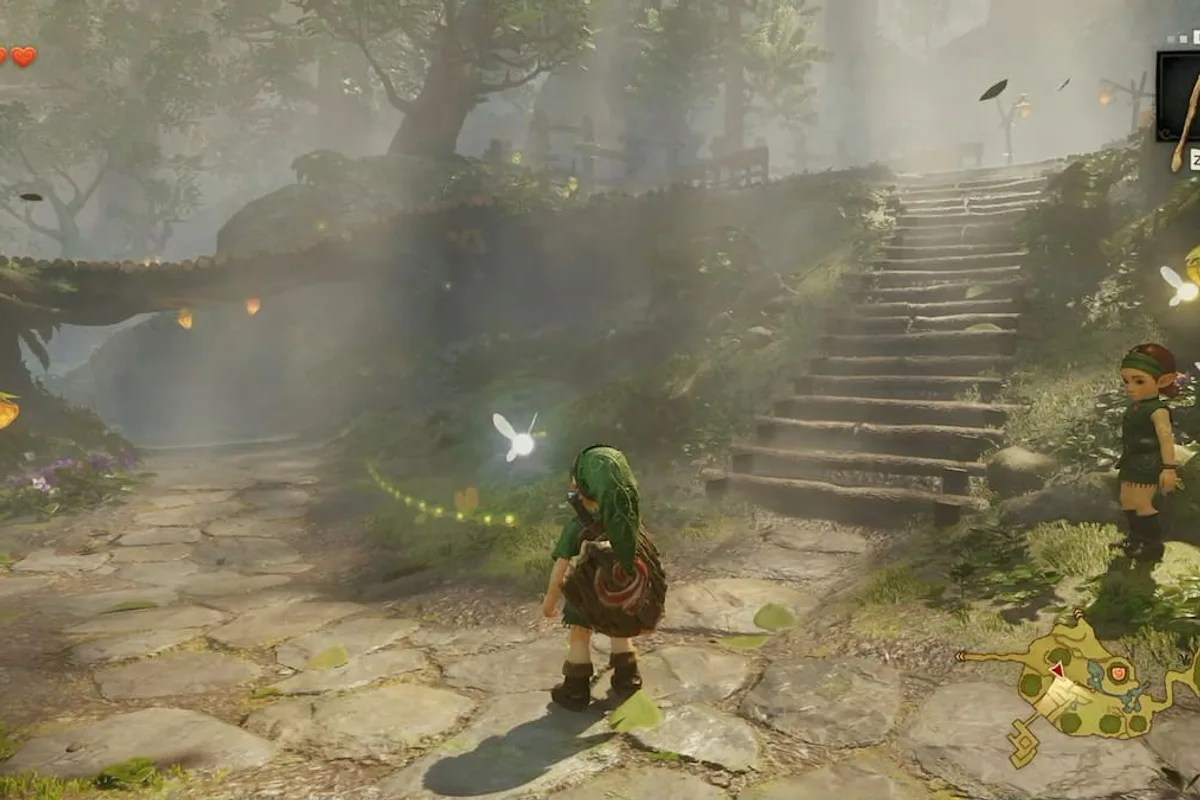
The fundamental story remains recognizable. Young Link leaves his home in Kokiri Forest and becomes entangled in a conflict involving the Triforce, Ganondorf and the fate of Hyrule across two eras.
How the expanded dialogue affects the original narrative pacing is one of the more interesting questions surrounding the remake. The older game could communicate a great deal through brief encounters and changes in atmosphere.
Music remains the language of the adventure
Koji Kondo's compositions are inseparable from Ocarina of Time's identity. Familiar melodies mark important locations, relationships and moments of discovery throughout the story.
Nintendo is introducing symphonic orchestral arrangements, expanding the instrumental character of music that was originally created within the Nintendo 64's hardware limitations.
The game also provides an unusual way to interact with its musical system. Players can hum learned melodies or perform them on a real instrument, and the Switch 2 microphone can recognize the notes.
That functionality creates a tangible connection between the player and one of the defining ideas of the original game: music can alter the state of the world.
A familiar world with a different visual atmosphere
Kokiri Forest now features dense vegetation, sophisticated lighting and remodeled environments. Character designs remain stylized, preserving a storybook identity rather than moving toward straightforward photorealism.
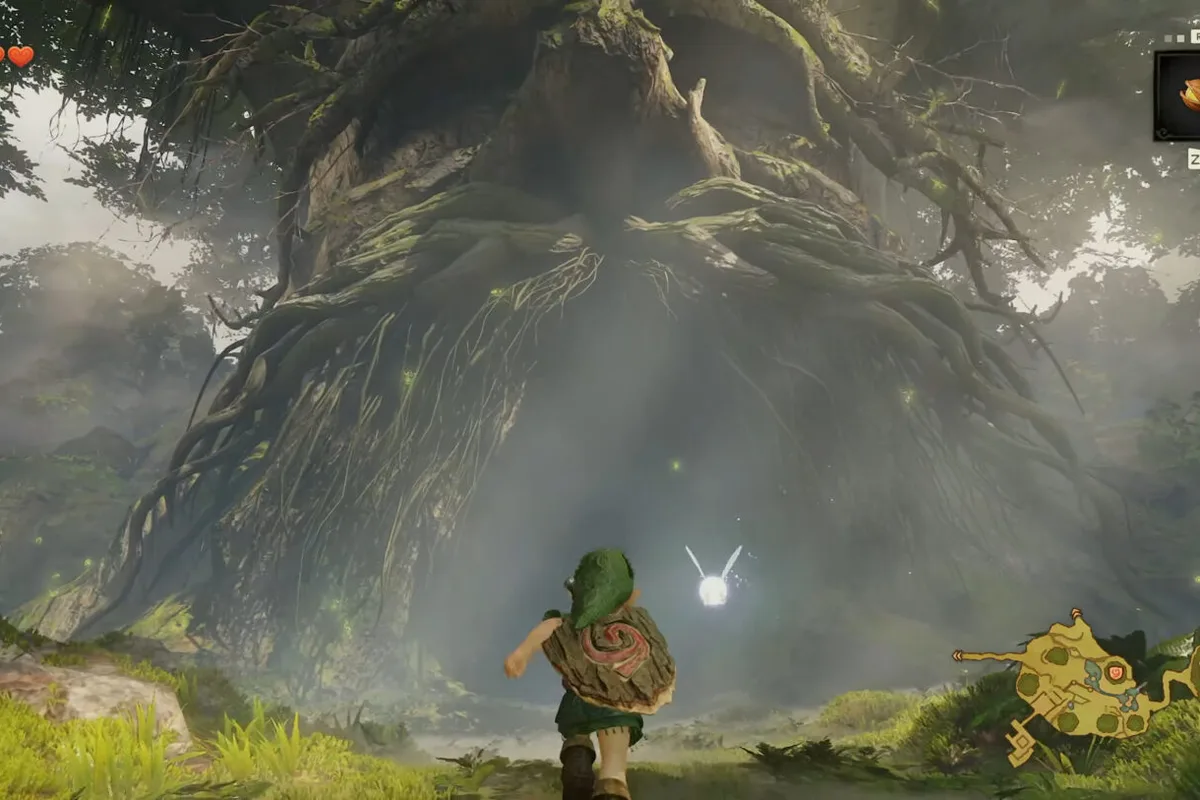
The contrast is meaningful. Ocarina of Time moves from the apparent safety of childhood into a darker version of Hyrule, and its visual atmosphere carries much of that transition.
More detail can deepen the world's sense of place. It can also change the emptiness, stillness and ambiguity of familiar spaces, which means that technical improvements are not necessarily neutral artistic decisions.
A defining 3D adventure revisited
First released in 1998, Ocarina of Time helped establish conventions for three-dimensional adventure games, including targeting systems, camera management and interconnected dungeon progression.
The Switch 2 remake revisits those mechanics with manual jumping, faster movement, freer camera control and simplified equipment changes. A new Hall of Fallen Heroes also lets players revisit bosses they have already defeated.
Nintendo is maintaining the original quest structure while adapting the controls to contemporary expectations. The result is intended to preserve the adventure's identity without requiring players to accept every limitation of its original hardware.
A central release for Zelda's fortieth anniversary
The November 5 release is exclusive to Nintendo Switch 2. It arrives during a broader celebration of a franchise that began in 1986 and has continued to reinvent its approach to exploration and fantasy.
Players introduced to Zelda through Breath of the Wild or Tears of the Kingdom will encounter a more tightly structured adventure, one built around specific tools, carefully designed dungeons and a central journey through time.
The remake does not erase the original work. It offers a contemporary interpretation of a game whose visual language, music and storytelling have become part of the medium's cultural history.