For a franchise that has reinvented its appearance so many times, Final Fantasy's earliest visual language remains remarkably recognizable. Pixel characters, crystal mythology, airships and chocobos can still evoke an entire tradition of role-playing games.
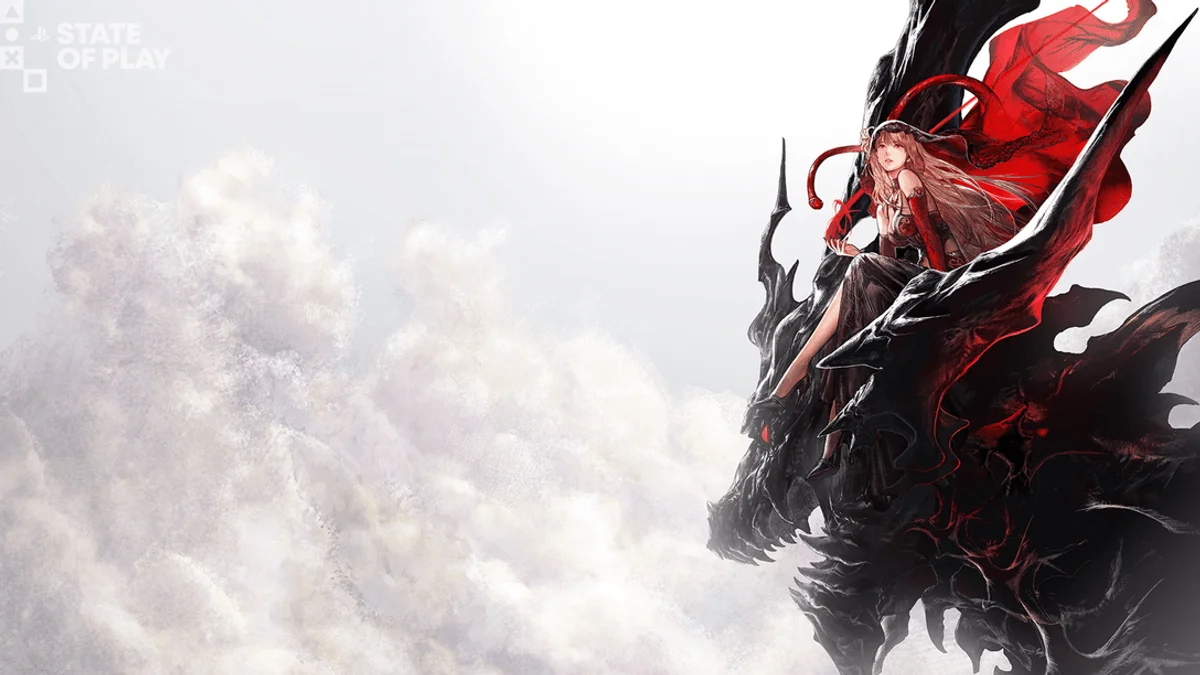
Final Fantasy Resonance builds its identity around those associations. Yet beneath the nostalgic presentation lies a reconstructed version of a story originally developed for mobile devices, rather than a direct continuation of one of the celebrated numbered installments.
Preserving a story from Final Fantasy Brave Exvius
The game adapts the first narrative arc of Final Fantasy Brave Exvius, following Rain and Lasswell through the world of Lapis. Crystals, kingdoms and supernatural threats provide the foundations for a traditionally structured fantasy adventure.
Square Enix has described Resonance as an extensively rebuilt experience, not a simple conversion. Its battles, presentation and exploration have been reorganized for a full console-style RPG.
That decision carries significance beyond the new release itself. The original Brave Exvius was a mobile live-service title, and its closure raised the familiar question of what remains accessible when a connected game disappears. Resonance does not recreate that service, but it preserves and reinterprets an important portion of its fiction.
Twenty-six characters, many different Final Fantasies
The Vision system gathers characters from multiple eras of the series. Among them are Terra from Final Fantasy VI, Cloud and Sephiroth from Final Fantasy VII, Zidane from Final Fantasy IX and Lightning from Final Fantasy XIII.
They appear with references to their original abilities, animations and musical identities. Crystal shrines introduce short stories connected to returning heroes before they join the player's collection of Visions.
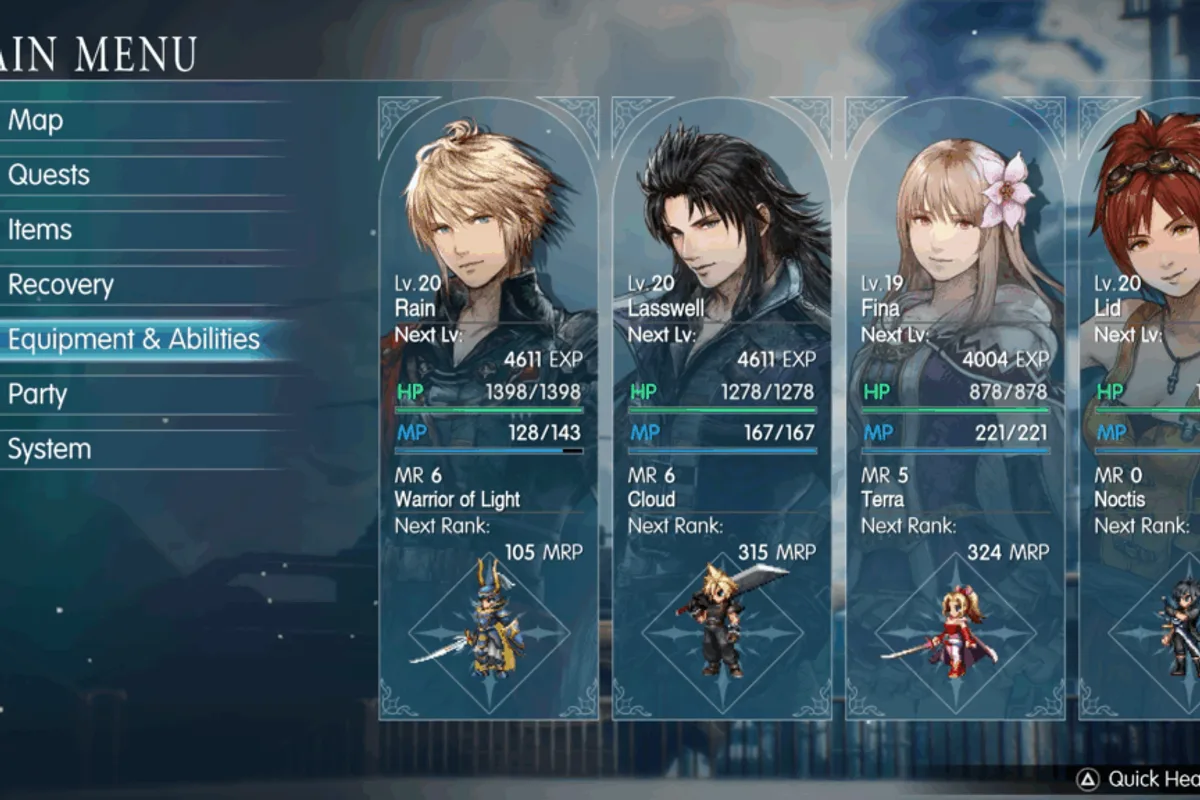
The connections extend into combat, where Visions modify the strengths and roles of Rain, Lasswell and their companions. Rather than functioning exclusively as nostalgic guest appearances, the returning characters become part of how the new party develops.
There is a delicate balance here. Celebrating the franchise's past can attract longtime followers, but Resonance also has to establish its own cast and story. Its legacy characters should enrich the adventure without overwhelming the characters who belong to it.
Imagining an alternative visual history
Square Enix has framed the project around a creative question: how might Final Fantasy have evolved if its pixel-art tradition had remained central to the series?
Resonance answers with HD-2D visuals, combining pixel-based characters with modern lighting, dimensional environments and cinematic effects. The approach recalls the visual appeal of older RPGs without being restricted to the hardware limitations that originally shaped them.
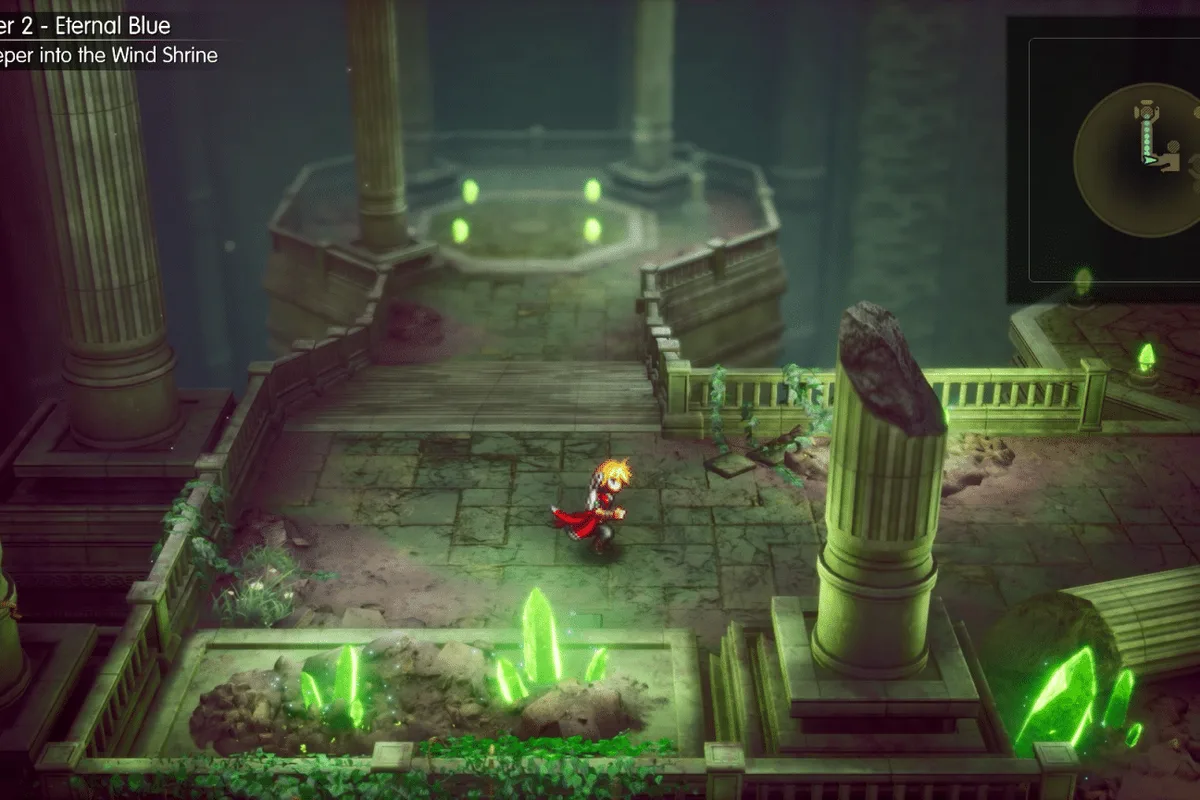
Traditional turn-based combat further strengthens that identity. Modern Final Fantasy games have frequently explored action-oriented systems, but Resonance places party composition, enemy weaknesses and tactical commands at the center of its encounters.
The familiar elements are all present: chocobos, magical summons, airships and a journey involving the Crystals. They create continuity between a new adventure and the many forms the franchise has taken over the decades.
A new audience for an old story
The October 22 release is planned for Nintendo Switch, Switch 2, PlayStation 5, Xbox Series X|S and PC. Square Enix lists October 23 for Steam in its Japanese launch schedule.
A free first-chapter demo is already available, with progress transferable to the complete game. It gives newcomers an opportunity to discover the central characters without needing to have played the discontinued mobile title.
That accessibility matters. The enduring value of Resonance may lie as much in making a previously fragile piece of Final Fantasy history available again as in its parade of familiar heroes.