
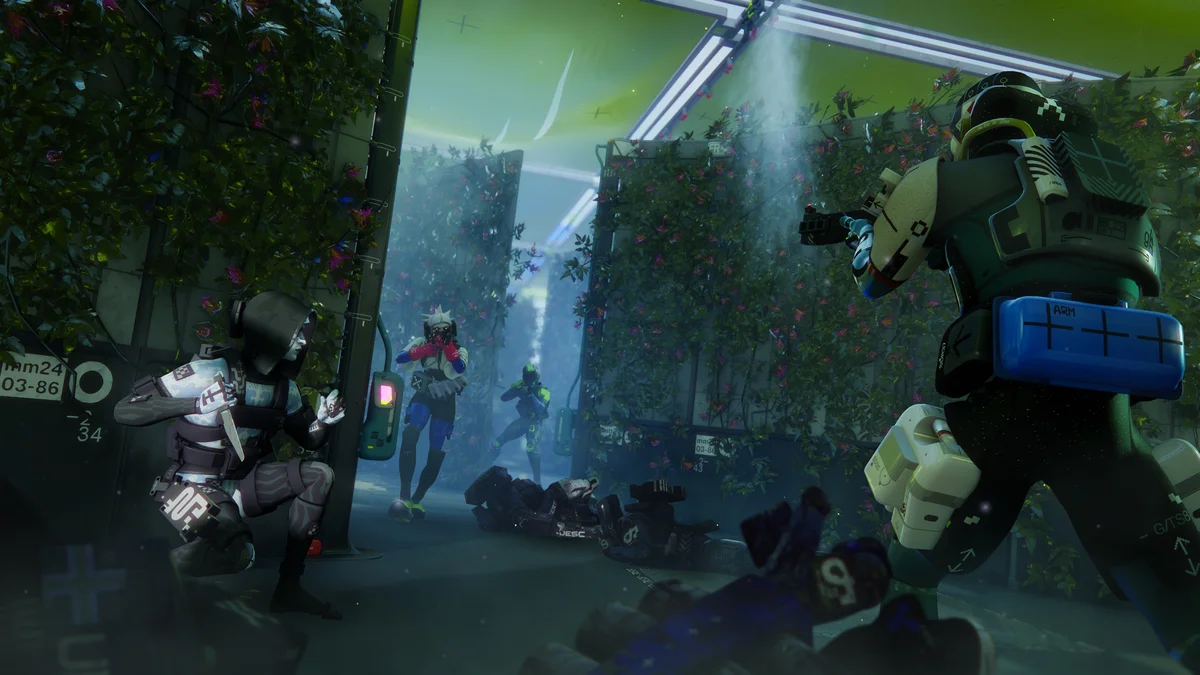
Marathon Needed More Than a New Director
When a studio replaces the creative leader of an established project, it is tempting to imagine that one person can solve its problems.
Joe Ziegler's account suggests a more complex situation.
The former Valorant director says Bungie approached him while Marathon was already in development.
His initial involvement was advisory.
The studio needed help reconciling several perspectives on the project.
Ziegler describes teams that shared some ideas while disagreeing significantly on others.
The main challenge was establishing a coherent direction.
Only afterward did he assume responsibility for guiding development toward that goal.
That sequence changes how his role should be understood.
He was not describing a new project beginning with a blank page. He entered an existing production with established decisions, systems and expectations.
The Hidden Cost of Creative Differences
Creative disagreement is not inherently harmful.
Competing proposals can help a team discover better solutions.
Problems arise when decisions fail to converge into a coherent experience.
A multiplayer game needs its combat, progression, rewards and community expectations to work together.
Different teams may develop these systems, but they must eventually function as a whole.
An unstable direction can make priorities and production decisions harder to maintain.
This is a general observation about development rather than a specific financial finding about Marathon.
Ziegler confirms disagreements but does not quantify their cost or establish their effects on the schedule.
The interview provides no figure showing how much money those disagreements may have consumed.
Halo and Destiny Create Unusual Expectations
Bungie cannot release a new first-person shooter without carrying substantial expectations.
Halo and Destiny helped establish its reputation.
That legacy is an advantage because players recognize the company's history of building satisfying shooters.
It also creates pressure.
Every new project risks being compared with the franchises that made the studio famous.
Ziegler explicitly identifies this tension.
Bungie has a significant legacy to uphold while continuing to experiment.
Marathon makes the challenge particularly visible.
It revives an established science-fiction name but adopts a fundamentally different multiplayer and live-service structure.
A familiar studio name may generate initial interest, but it cannot guarantee that players will embrace a new formula.
A Culture of Debate Can Also Be a Strength
Another part of Ziegler's testimony deserves just as much attention as the disagreements.
He describes Bungie as willing to accept criticism and outside perspectives.
In his view, the studio can bring in new people to identify weaknesses and improve its work.
That willingness to reconsider established assumptions is valuable in creative organizations.
It does not eliminate every problem.
However, it suggests that internal debate should not automatically be interpreted as personal hostility or organizational collapse.
Ziegler does not identify an individual he believes should be blamed.
Instead, he describes a group struggling to establish a common direction.
That distinction matters in an industry where complicated development stories can quickly become arguments about individual responsibility.
A Difficult Launch Does Not Prove a Single Cause
Marathon launched on March 5, 2026.
Several months later, Bungie acknowledged that its extraction shooter had not reached as many players as anticipated.
The developer also discussed concerns involving onboarding, progression and reasons to return regularly.
It might be tempting to link these outcomes directly to the creative disagreements described by Ziegler.
However, that causal relationship has not been established.
Live-service performance depends on multiple factors.
Commercial positioning, competition, audience expectations, product quality and post-launch support can all matter.
The interview provides no budget analysis or data isolating the contribution of internal disagreements.
A personal account of development should therefore not become a definitive explanation for commercial performance.
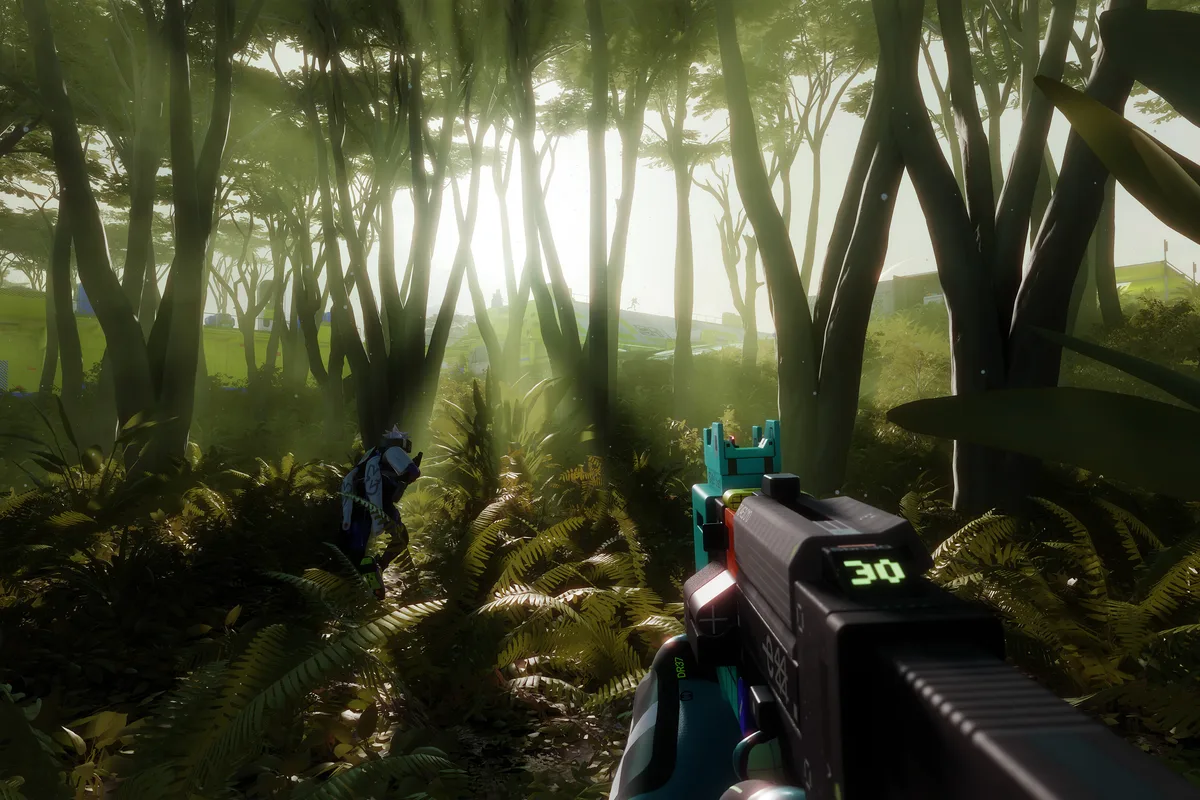
Bungie Is Now Pursuing a Different Direction
Marathon's current leadership published a roadmap in September.
Under Del Chafe III and Julia Nardin, the team is preparing several stages intended to broaden the experience.
October's planned Nightfall Refresh targets progression and rewards.
December's Symbiosis update is expected to introduce a permanent PvE experience, an expanded Perimeter and improved onboarding.
A larger evolution is planned for March 2027, connecting PvE, PvP and PvEvP activities.
That schedule does not guarantee the changes will achieve their objectives.
It does demonstrate Bungie's intention to evolve the original proposition.
The stated goal is to support different levels of intensity and more ways to experience its world.
Live-Service Development Makes Changes Highly Visible
A conventional single-player game may receive a series of patches before development activity slows.
A live-service title depends more heavily on ongoing engagement.
It must encourage players to return, help newcomers understand its systems and revise mechanics when they do not meet expectations.
That continuing process makes production decisions especially visible.
Changes to progression, balance and available activities publicly reveal the priorities of the current team.
For Marathon, a broader set of survival experiences is now officially planned alongside its demanding extraction gameplay.
This can reasonably be understood as an effort to respond to community feedback.
It should not be treated as proof that the original vision was universally rejected within Bungie.
Ziegler's Departure Begins Another Phase
Joe Ziegler left Bungie after Marathon's release.
His direct contribution now belongs to the project's earlier development history.
In the interview, he explains that he is pursuing another creative opportunity.
The project has not been revealed.
Its genre, studio and schedule cannot be established from his comments.
Meanwhile, Marathon's current team must implement the changes Bungie has announced.
The responsibilities are separate.
Ziegler offers a retrospective perspective on development.
Del Chafe III, Julia Nardin and the present Bungie team are responsible for the game's future direction.
A Case Study in Modern Game Development
Marathon cannot support universal conclusions about every major studio.
However, it illustrates a familiar challenge: bringing different disciplines and ambitions together around an experience that players can understand and enjoy.
Excellent shooting mechanics, striking art direction and a detailed fictional universe do not automatically create a coherent product.
Teams also need to agree on what matters most.
Ziegler's account confirms that achieving this convergence was a meaningful part of his work at Bungie.
His positive comments about the studio's culture also demonstrate that debate and reconsideration can be essential parts of creative development.
The next chapter will unfold through updates to the released game.
The question is no longer whether Marathon experienced disagreements before launch. Its former director has acknowledged them.
It is whether the vision now guiding Bungie can turn its planned changes into a sustainable and rewarding experience for players.