A condemned hero deserves a clearer story
Soul has 66 days to prove his innocence and uncover the conspiracy behind his master's murder. The premise combines betrayal, mortality and a search for truth, giving the adventure a compelling dramatic foundation.
The difficulty lies in presentation rather than a lack of narrative ambition. Push Square, TechRadar and PC Gamer all describe a story crowded with flashbacks, unfamiliar names and loosely connected memories.
Important relationships are sometimes introduced as though players already understand their history. Instead of deepening emotional involvement, the frequent chronological shifts can make character motivations difficult to follow.
A fantasy world with a distinctive visual language
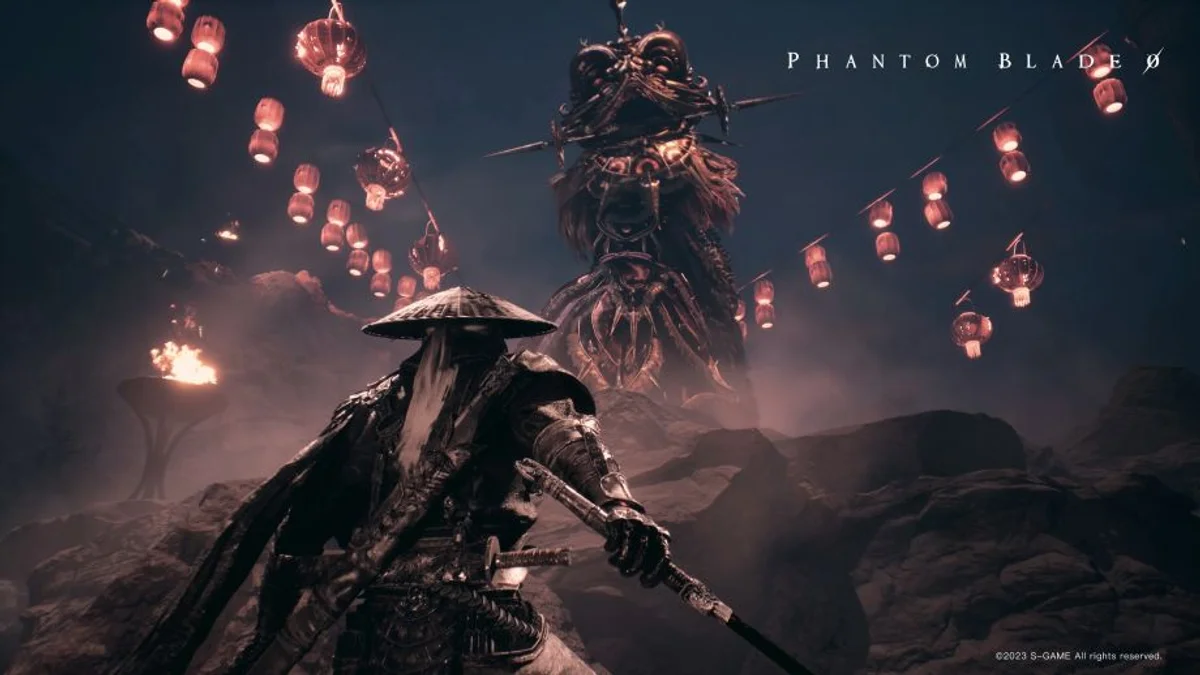
Phantom Blade Zero is considerably more confident in its world-building through images. Traditional architecture, ominous industrial structures, supernatural creatures and rain-soaked environments coexist within a cohesive dark fantasy.
S-GAME calls this combination kungfupunk, a term that captures the fusion of martial heritage, strange technology and folklore-inspired horror.
Exploration gives those ideas space to breathe. Although progression is relatively structured, optional paths and carefully designed locations reward attention to the environment.
Movement expresses character better than dialogue
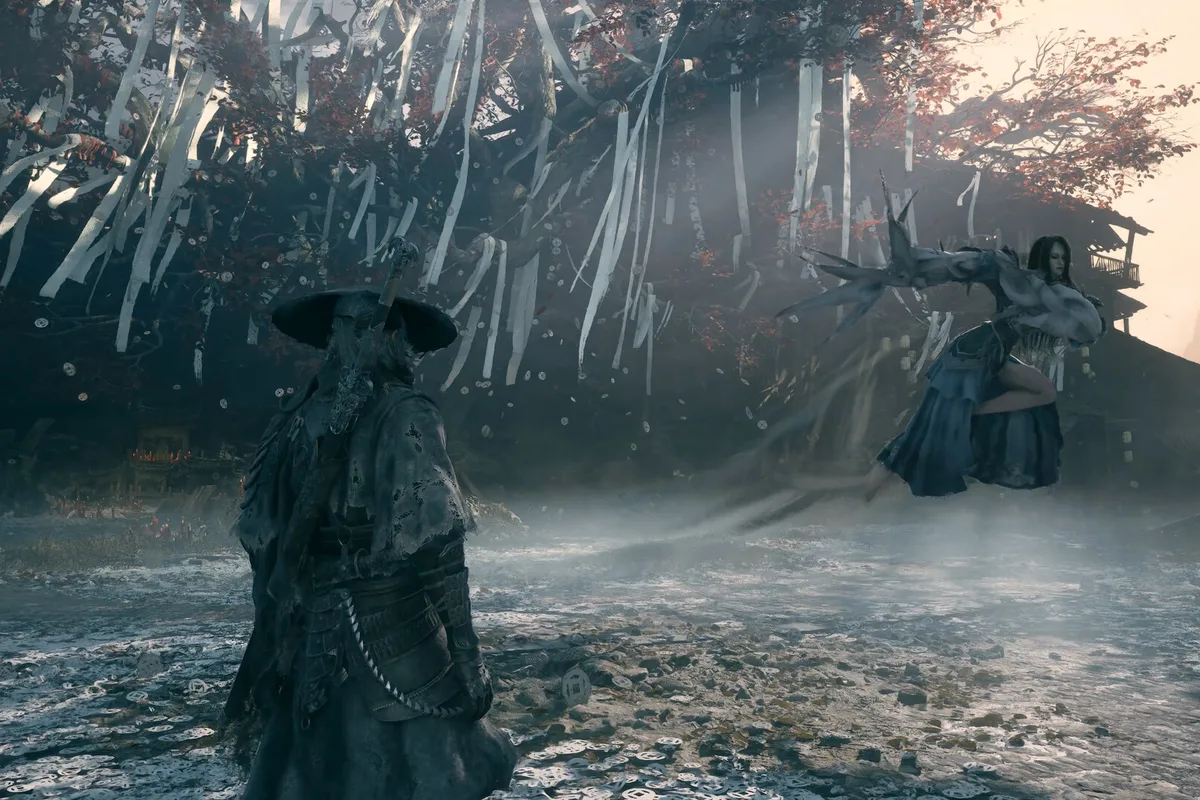
The game's martial arts choreography is arguably its most successful form of storytelling. Weapons, stances and attack rhythms provide opponents with an immediate physical identity.
This is especially impressive because the choreography must respond to player actions rather than follow a predetermined cinematic sequence. Defending, attacking and countering become part of the encounter's dramatic language.
Reviewers consistently praise the exceptional motion capture and animation work. These achievements give individual confrontations personality even when the surrounding narrative offers limited emotional context.
Too many memories, too little clarity
The storytelling becomes increasingly crowded with explanatory material. Memory sequences, documents and flashbacks frequently interrupt the momentum established by combat and exploration.
Several critics identify the same underlying problem: the game provides plenty of information without arranging it into a consistently understandable sequence. The player's sense of Soul's personal relationships suffers as a result.
The soundtrack is more divisive. Some reviewers celebrate its fusion of musical traditions, while others find the transitions between atmospheric passages and aggressive tracks uneven.
A remarkable world with uneven emotional direction
Phantom Blade Zero succeeds as a visually arresting martial arts fantasy. Its environments and combat encounters create an unusually memorable sense of place.
Its narrative never achieves the same level of control. The story has compelling material, but its fragmentation often makes that material harder to appreciate than necessary.
The result is an impressive, distinctive adventure whose greatest storytelling occurs through movement, environment and atmosphere rather than exposition. It deserves recognition for that achievement without overlooking the weaknesses of its character-driven drama.