The Galaxy Exists Between Major Battles
Star Wars has always suggested more stories than its main films could tell. Beyond Jedi, Sith and galactic wars are mechanics, merchants, professional racers and adventurers with no prophetic destiny.
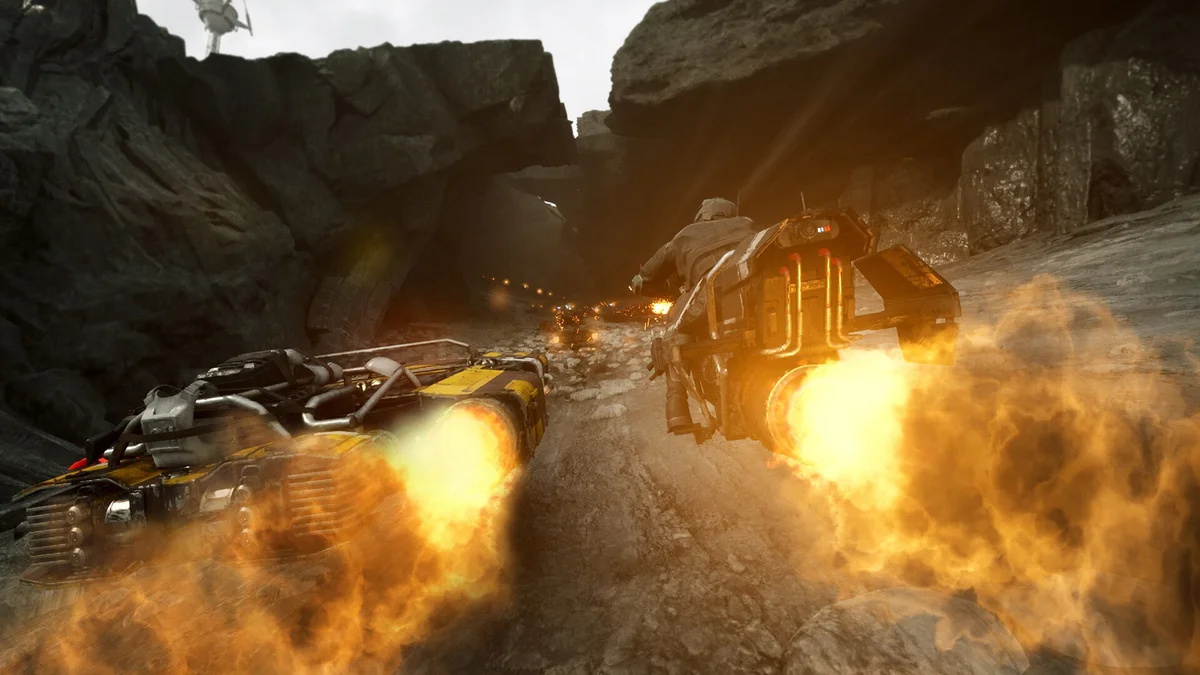
Galactic Racer chooses that world. Following the Empire's fall, the Outer Rim remains dominated by money, violence and competing private interests. The Galactic League operates unauthorized races in this environment.
The smaller scale is refreshing. The objective is not to save the galaxy, but to win a dangerous sporting competition. For the people involved, that is more than enough.
A Rivalry That Drives the Story
Players control Shade, a racer with a grievance against the Bool family. Kestar Bool dominates the league, while organizer Darius Pax hopes to reclaim control.
The narrative follows a familiar sporting progression: win events, improve equipment and work toward a confrontation with the champion.
Unfortunately, Shade is relatively anonymous. That makes the protagonist easy to inhabit, but it places much of the dramatic responsibility on supporting characters.
The Supporting Cast Gives the League Its Identity
Mechanic Hibi, fellow competitors and eccentric figures encountered between events help the league feel like more than a series of racing menus.
Shared paddock spaces allow rivalries and relationships to exist outside the races themselves.
Biddy Blas is particularly memorable, continuing the Star Wars tradition of strange secondary characters whose personalities linger long after an encounter.
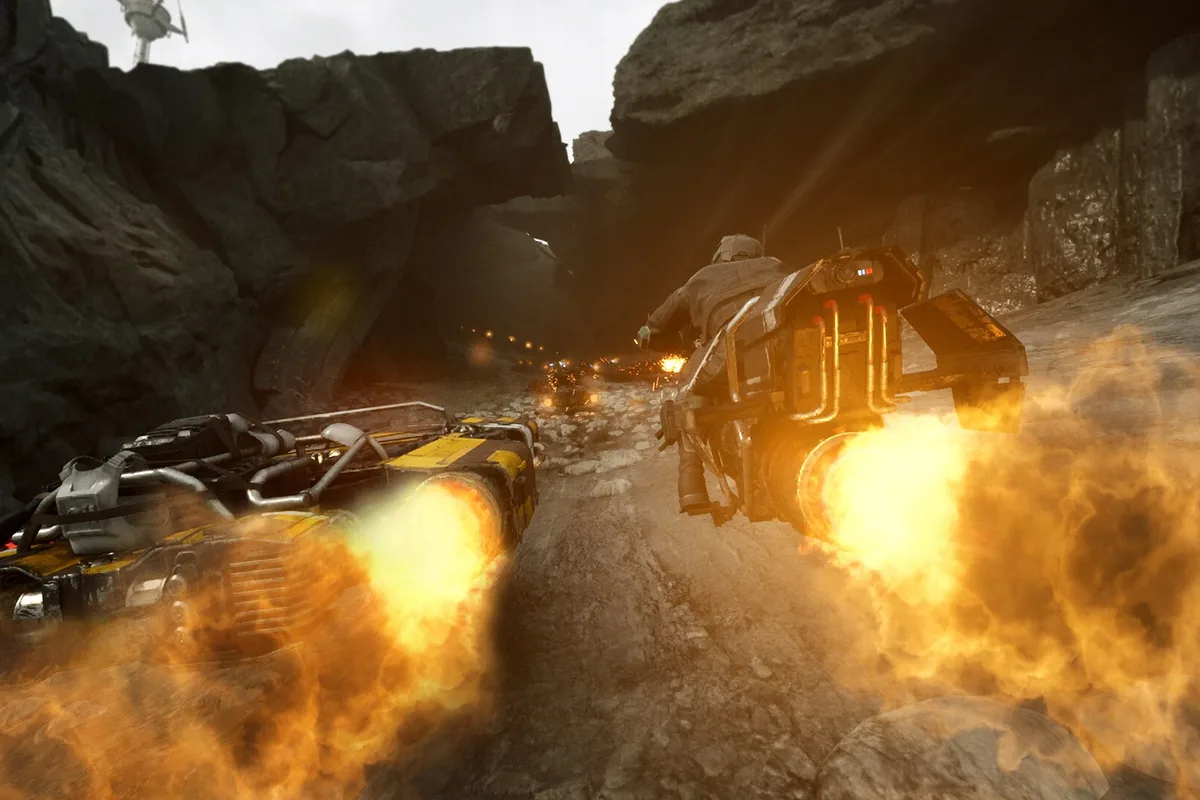
The game never becomes a full narrative role-playing experience, but these details give its world welcome social texture.
Podracing Has a Special Cultural Legacy
The Phantom Menace's podracing sequence endures because its spectacle comes from speed, danger and competition rather than the Force.
Fuse Games recaptures that energy. Podracers belong to a sporting culture that the game extends beyond Tatooine.
Sebulba's return connects the competition with its cinematic past, presenting a veteran of the sport alongside a new generation.
Galactic Racer acknowledges Star Wars history without allowing familiar heroes to dominate the story.
Locations Carry the Galaxy's History
Jakku, Ando Prime, Tatooine and Crait provide visually distinct environments with recognizable cultural associations.
On Jakku, the remains of earlier wars become the scenery for another generation's sporting ambitions.
Crait's pale surfaces and distinctive red markings acquire a new meaning when the planet becomes a racetrack.
These settings allow environmental storytelling to communicate that the galaxy continues to exist beyond the film narratives.
The Soundscape Is Essential
Engine sounds, tunnel acoustics and collision effects give the machines a tangible presence.
Music intensifies dramatic moments without constantly relying on the franchise's most familiar themes.
The result recalls the importance of sound in Star Wars cinema while establishing a personality of its own.
A Strong Buildup, a Weaker Payoff
The rivalry with Kestar Bool develops effectively through encounters and competition.
However, several reviews describe the conclusion as less powerful than the preparation suggests. Repeated dialogue across multiple attempts can also weaken the sense of a living world.
Galactic Racer is therefore more successful at establishing a racing culture than delivering a memorable central storyline.
Star Wars Benefits From a Different Perspective
Galactic Racer finds compelling stories in work, competition, personal ambition and sporting rivalry.
Its 8/10 rating reflects the appeal of that setting and its memorable cast, even if the writing has limitations.
Fuse Games' greatest success is making the Star Wars galaxy exciting without requiring a Skywalker to give it meaning.