
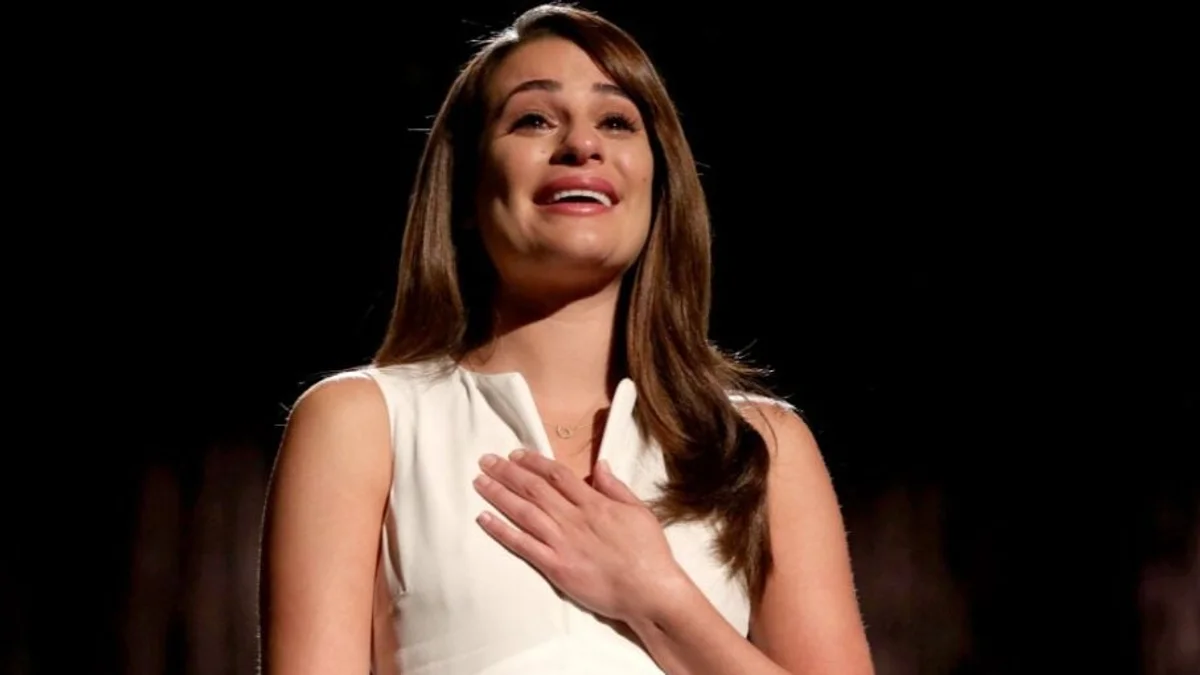
Rachel Berry was never designed to disappear quietly into the background.
From her earliest appearances on Glee, she wanted the solos, the applause and the professional recognition she believed her extraordinary voice deserved.
She could be infuriating, compassionate, insecure and almost comically determined, sometimes within the same episode.
Now, more than eleven years after the musical comedy ended, Rachel is reportedly coming back.
On October 22, Variety reported that Lea Michele would reprise her role in the newly ordered Glee series for Disney+ and Hulu.
The publication said it had confirmed her involvement with multiple sources.
The announcement arrives shortly after Disney officially commissioned a revival from 20th Television.
However, there is an important distinction between an industry report and an official presentation of the show's cast.
Disney has not yet disclosed a complete cast list, and representatives for Michele and Ryan Murphy have not publicly explained the actress's contractual status or the size of her role.
The prospect of her return is substantial news. The exact form that return will take remains unknown.
Variety reports a return while TheWrap describes negotiations
Variety's report goes beyond repeating speculation circulating among fans.
The publication states that multiple sources confirmed Michele's return to the reboot.
One source described the production as still being in relatively early stages while expressing excitement about bringing the original cast together again.
TheWrap published its own report on October 21, stating that Michele was in talks to reprise Rachel Berry.
Those reports describe slightly different levels of certainty.
TheWrap emphasizes ongoing discussions, while Variety presents the return as confirmed by its sources.
Neither article includes a detailed public casting announcement from Disney or the actress's representatives.
It would therefore be premature to state that Michele has been officially confirmed as the reboot's leading performer.
Her character might be central to the new story, appear regularly in a supporting capacity or serve as a bridge between the original ensemble and new characters.
No specific arrangement has been disclosed.
The uncertainty matters because the reboot does not yet have an official synopsis.
Rachel Berry already received an unusually complete ending
One of the reasons Michele's return is so intriguing is that Rachel's story originally reached a clear conclusion.
When Glee began in 2009, Rachel was a student at William McKinley High School in Lima, Ohio.
Her talent was obvious, but so was her determination to be recognized as the most gifted performer in the room.
She approached school competitions, friendships and romantic relationships with an ambition that frequently created conflict.
The New Directions provided her with both a stage and a group of peers who challenged her assumptions about success.
Throughout six seasons, Rachel pursued Broadway while learning, sometimes painfully, that personal relationships could not simply be treated as supporting elements in her professional story.
Her journey eventually moved beyond high school and into the performing arts industry.
The original series finale, which aired in March 2015, included a flash-forward to 2020.
Rachel was shown receiving a Tony Award, married to Jesse St. James and serving as a surrogate for Kurt Hummel and Blaine Anderson.
That ending fulfilled much of the promise established in the earliest episodes.
The teenager who insisted that she would one day become a star had achieved the recognition she had spent years pursuing.
A revival therefore cannot rely on exactly the same ambitions without addressing what has already happened to her.
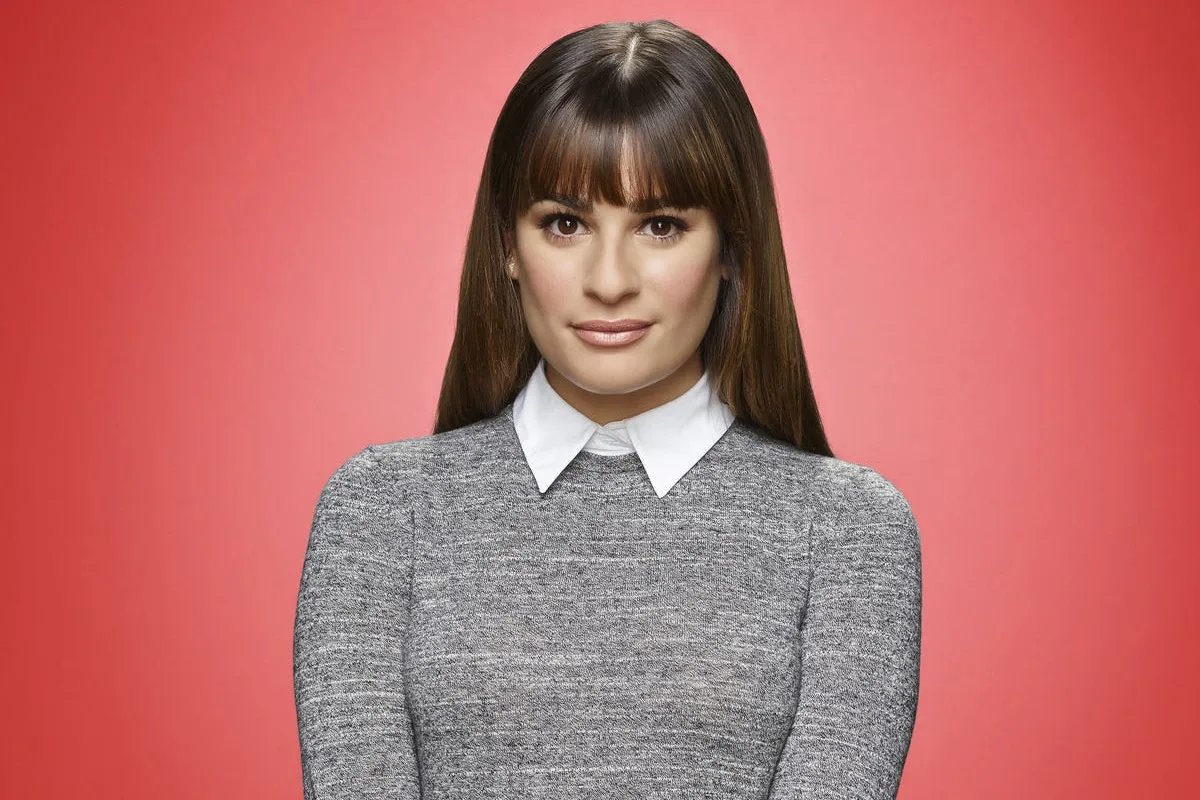
An older Rachel could give Glee a different emotional center
The original Rachel had a clear objective: she wanted to become a Broadway star.
Much of her behavior was shaped by that goal.
If the reboot maintains the continuity established in the original finale, an older Rachel would face a different set of questions.
What happens when someone whose identity was built around ambition finally achieves her dream?
Can professional success provide lasting satisfaction, or does it create new expectations that are equally difficult to manage?
How does a performer whose determination often damaged friendships learn to share responsibility with others?
Those questions could give Michele material different from the stories she played during Glee's first run.
Rachel might be a successful performer, a mentor, a teacher or someone confronting new professional uncertainty.
However, none of those possibilities has been confirmed as part of the reboot's storyline.
They are potential directions suggested by the character's established history.
The creative challenge will be making Rachel feel like a character who has continued living since 2015 rather than a collection of familiar mannerisms brought back for nostalgic effect.
Lea Michele's Broadway career creates another connection
The relationship between Michele's professional life and Rachel's fictional ambitions is unusually close.
In Glee, Rachel dreamed of portraying Fanny Brice in the musical Funny Girl.
That ambition became a defining element of her identity and her relationship with Broadway.
Years after the series ended, Michele herself took over the role of Fanny Brice in the Broadway revival of Funny Girl in 2022.
The casting attracted considerable attention because of its connection with Rachel's story.
Of course, Michele's stage career began long before Glee.
She had already appeared in productions including Les Misérables, Ragtime, Fiddler on the Roof and Spring Awakening.
Her professional experience should therefore not be mistaken for the fictional biography of Rachel Berry.
Nevertheless, the overlap has helped keep the character culturally relevant.
Audiences continue to associate Michele with theatrical ambition, demanding vocal performances and the particular Broadway tradition that shaped Rachel.
That recognition could become an asset for the new series.
But it could also make the character difficult to reinvent if the writers rely too heavily on familiar references.
A more mature Rachel still needs meaningful flaws
Rachel Berry was never universally beloved by viewers.
Some admired her talent and determination. Others criticized her selfish behavior, her competitive instincts and the amount of narrative attention she received at the expense of other characters.
Those disagreements were part of what made her compelling.
Rachel was not consistently the nicest member of the New Directions, and she was not intended to be.
Her ambition frequently exposed the contradictions of a performing arts environment where individual recognition and collective collaboration must coexist.
An older version of the character could revisit those shortcomings from a different perspective.
Success does not automatically make someone generous, emotionally secure or easy to work with.
A mature Rachel might have learned from her past mistakes, but the series would still need to give her meaningful conflicts.
It would also need to make room for other performers.
Glee was an ensemble series even when Rachel dominated important storylines.
Its musical and emotional appeal came from characters who disagreed about ambition, relationships and what performing together should mean.
If Michele becomes a central figure in the reboot, preserving that wider group dynamic could be essential.
Heather Morris and Chord Overstreet have also hinted at returning
Michele is not the only original performer associated with the revival.
Heather Morris, who played Brittany Pierce, posted an Instagram message suggesting that her character would be returning.
The post used Brittany's familiar absurdist humor to tell fans that she was still alive and ready for more Glee.
Chord Overstreet, who portrayed Sam Evans, also shared a message celebrating the possibility of a reunion.
These public comments have encouraged speculation about how many familiar characters might return.
However, neither provides a complete account of contracts, filming commitments or episode appearances.
In September, Ryan Murphy said he had spoken with approximately ten members of the original cast.
He did not identify every participant.
The current evidence therefore supports interest in a broader reunion without establishing its complete composition.
The difference between expressed enthusiasm, reported negotiations and formal casting announcements will remain important as production develops.
The reboot needs to connect two different generations
The original Glee worked because its characters occupied an environment with clear pressures and limitations.
High school offered competitions, social hierarchies, friendships and anxieties about the future.
The New Directions gave a diverse group of students a way to express experiences they struggled to explain otherwise.
Rachel's ambition was different from those of Mercedes Jones, Santana Lopez or Kurt Hummel.
Their arguments and rivalries became the foundation for both comedy and musical performance.
A sequel focusing entirely on their adult lives might lose some of the school-based structure that originally shaped the series.
A reboot built exclusively around new students might struggle to justify bringing back famous performers without reducing them to short appearances.
Combining the generations could offer an interesting solution.
Older characters might bring experience, disappointment and professional perspective, while younger performers would introduce their own musical influences and ambitions.
But Disney has not announced such a structure.
The script written by Murphy, Brad Falchuk and Ian Brennan remains confidential.
Even a return to William McKinley High School as the primary setting has not been formally established.
Any account of Rachel becoming a teacher or working with a new glee club must therefore remain speculative.
A reunion would also confront the original show's losses
The prospect of an original cast reunion carries a complicated emotional history.
Cory Monteith, who portrayed Finn Hudson, died in 2013 while Glee was still airing.
Naya Rivera, who played Santana Lopez, died in 2020.
Mark Salling, known for his role as Noah Puckerman, died in 2018.
These losses became part of the series' legacy.
Rachel's relationship with Finn was central to the first several seasons, and Monteith's death forced the writers to make substantial changes to the story.
Any future account of Rachel's life will therefore exist in a fictional world already shaped by those events.
Brittany's relationship with Santana was also one of the original series' important romantic storylines.
Heather Morris has suggested that Brittany may return, but the reboot has not established how the character's later life will be portrayed.
No specific tribute, episode or storyline relating to the absent performers has been confirmed.
The show's history makes these questions emotionally significant, but it would be premature to claim that the writers have already chosen how to address them.
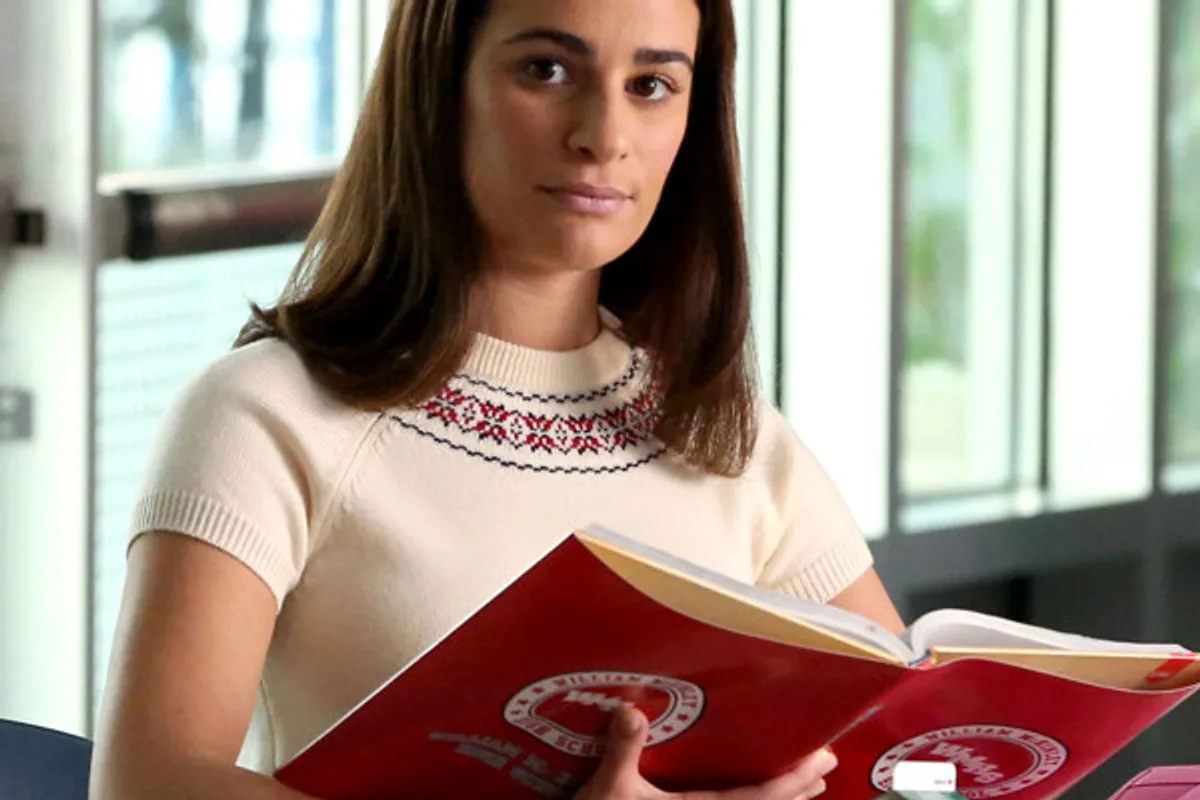
Is Lea Michele enough to make the revival work?
Bringing back Rachel Berry creates a clear connection with the original series.
Michele played the character throughout all six seasons and remains one of the performers most closely associated with the show's musical identity.
Her subsequent work on Broadway reinforces that connection.
For Disney, having a familiar central performer could help generate interest among viewers who followed Glee during its first run.
But recognizable casting is only one part of a successful musical series.
The revival will need convincing characters, carefully chosen songs and stories that make musical performances emotionally meaningful.
The original Glee could be exaggerated, chaotic and sometimes openly uncomfortable.
Sue Sylvester's antagonism, Rachel's ambition and the disagreements among the New Directions frequently made the characters difficult.
Those conflicts also created the conditions for meaningful moments of solidarity.
A revival interested only in celebrating familiar personalities could lose much of that energy.
A series willing to explore how its characters have changed might discover a genuine reason to bring them back.
For Rachel in particular, the question is no longer whether she can become a star.
It is whether the writers have something new to say about a woman whose original ambition has already been fulfilled.
When will Lea Michele return in Glee?
There is no announced premiere date as of October 23, 2026.
Disney+ and Hulu have ordered the new Glee series, with 20th Television producing.
Ryan Murphy, Brad Falchuk and Ian Brennan have developed a script, and conversations with several former cast members have taken place.
Variety reports that Michele is returning as Rachel Berry, based on multiple sources, but no official statement has clarified the size or structure of her role.
The full cast, episode count, filming schedule and storyline remain unknown.
Future announcements should establish whether Rachel is returning as a central character, a mentor or one part of a larger ensemble.
The challenge for the reboot is not merely reminding audiences of a character they once loved or enjoyed criticizing.
It is finding a new story worth telling about Rachel Berry after the final applause of her original journey.