
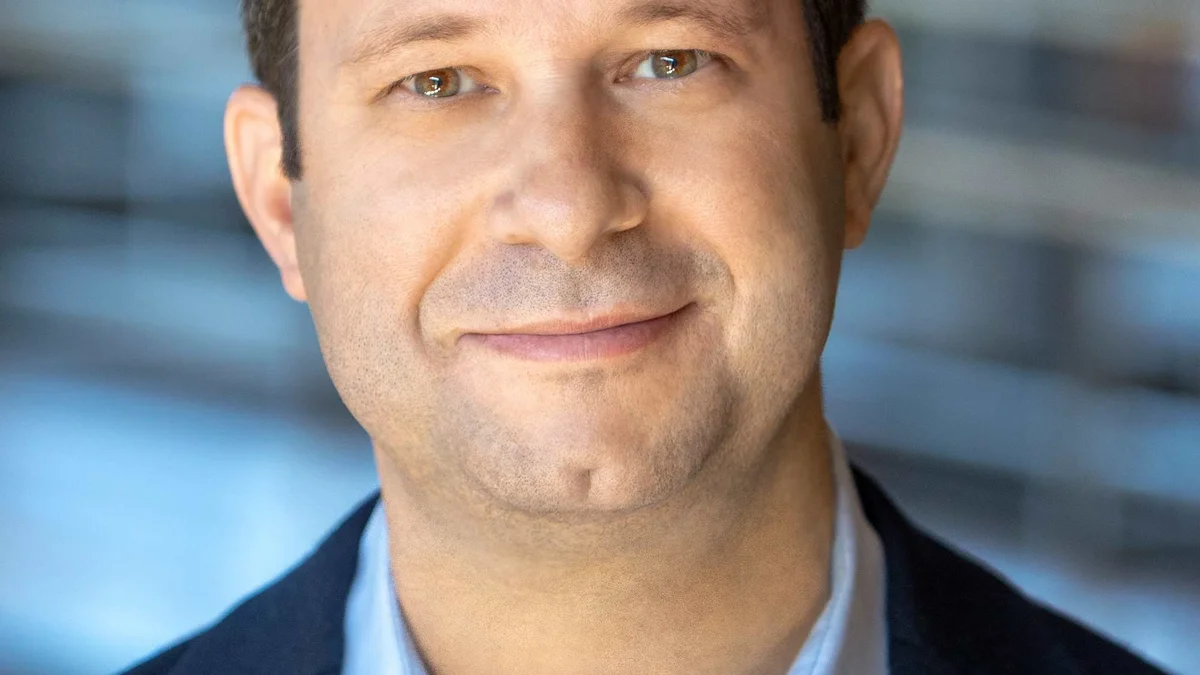
Pixar is changing the people responsible for running its studio without handing its creative identity to an unfamiliar leadership team.
The Walt Disney Company announced on November 4, 2026, that Jonathan Garson will succeed Jim Morris as president of Pixar Animation Studios. The transition will take effect on January 4, 2027, and involves additional changes to how the company manages its filmmakers and development teams.
Garson will oversee production and operations. Pete Docter will remain chief creative officer, while veteran producer Jonas Rivera will take an expanded role as executive vice president of creative.
Morris, who has worked at Pixar for 21 years and served as president for twelve, is moving into a president emeritus position. He will step back from day-to-day management but continue contributing to selected projects, including Incredibles 3.
The arrangement suggests a carefully organized succession rather than a sudden change in artistic leadership. It also reflects an increasingly complex studio operation, where creating animated films involves coordinating production departments, franchise planning and extensive long-term development.
Jonathan Garson has spent decades working inside Disney
Garson is an established figure within the Disney organization. He joined Pixar in 2010 after holding numerous positions across The Walt Disney Company, where his overall career spans more than thirty years.
Most recently, he served as Pixar's general manager, overseeing operational departments and working closely with the production leadership team.
His earlier responsibilities at Pixar included worldwide marketing and franchise development. Those functions involved planning campaigns and coordinating the long-term commercial life of the studio's animated properties.
Garson has also worked across consumer products, theme parks, exhibitions, archives and creative services.
That background makes him a different kind of leader from a filmmaker whose career has been built primarily around directing or producing individual features.
Pixar's business extends well beyond theatrical distribution. Its characters and fictional worlds appear in theme parks, merchandise, publishing, interactive experiences and other forms of entertainment.
Managing the studio therefore requires coordinating the production of films with departments responsible for how those properties reach audiences across the Disney organization.
Garson's promotion places an experienced Disney executive in charge of that operation, while the studio maintains a separate structure for creative development.
He will work closely with Docter, and both Garson and Morris will report to Alan Bergman, the Disney executive responsible for the company's entertainment and studio operations.
There is no indication in the announcement that Garson will personally replace Docter as the final creative authority on Pixar's films.
Jim Morris moves away from daily management
Morris joined Pixar in 2005 after a substantial career at Lucasfilm, including leadership positions at Industrial Light & Magic and Lucas Digital.
His experience connected him to some of the most significant developments in modern visual effects, an area closely related to the technological foundations of computer animation.
At Pixar, he helped supervise productions including Ratatouille, WALL-E, Up, Toy Story 3, Brave, Inside Out and Coco.
He became the studio's president in 2014, succeeding Ed Catmull.
During his tenure, Pixar experienced major creative and commercial successes alongside periods of difficult theatrical performance and changing distribution strategies.
According to figures provided by the studio, Pixar features generated more than $12 billion at the worldwide box office over Morris's twelve years as president.
That amount measures theatrical revenue, not the company's net earnings. It does not account for production expenses, marketing costs, distributor and exhibitor shares, or the wider business generated by the films outside cinemas.
It is nevertheless a substantial indication of the scale of the business Morris has overseen.
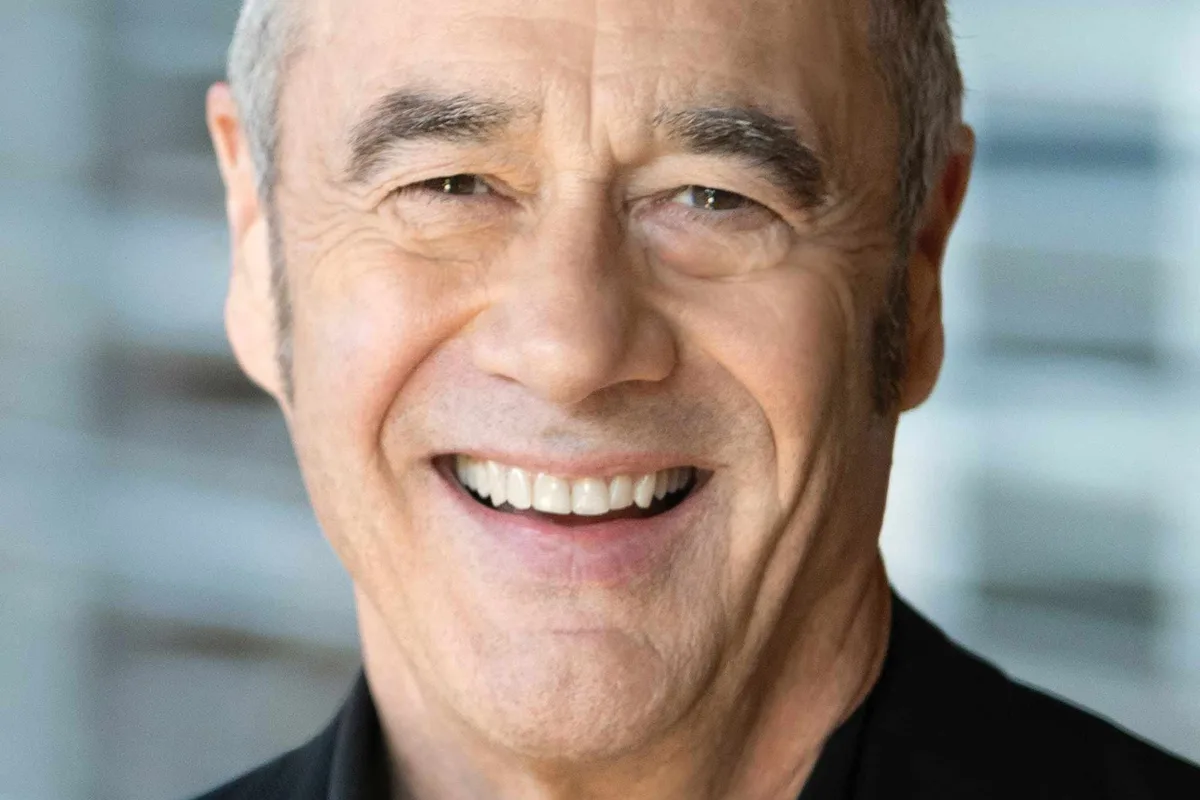
His new position is intended to support a gradual withdrawal from daily responsibilities as he approaches retirement.
Morris will concentrate on selected projects, talent development, mentoring and technology initiatives designed to support the studio's filmmakers and artists.
He will also remain executive producer on Incredibles 3, which is currently scheduled for June 2028.
That involvement preserves a connection between the previous leadership and one of Pixar's upcoming major franchise releases.
It does not mean Morris will continue exercising the same operational authority after Garson becomes president.
Pete Docter keeps the studio's creative leadership
Perhaps the clearest indication of continuity is that Pete Docter is remaining in his position as chief creative officer.
Docter has helped define Pixar's storytelling identity through films including Monsters, Inc., Up, Inside Out and Soul.
His role involves guiding creative development and working with filmmakers as their projects progress through the studio.
That work can be unusually demanding in animation.
An animated feature may spend years in development, with major changes to the screenplay, characters and structure occurring long before the final film is released.
The process requires balancing individual creative ambition with an organizational system capable of supporting hundreds of artists and technicians.
Pixar's decision to retain Docter therefore matters. The incoming president will oversee operations without replacing the person responsible for the company's overall creative direction.
The announcement also strengthens the leadership group working alongside Docter, particularly through Rivera's promotion.
Jonas Rivera gains responsibility for filmmakers and development
Jonas Rivera is moving into an expanded role as executive vice president of creative.
His history with Pixar reaches back to 1994, when he joined the studio as its first production intern.
Over the following decades, Rivera worked on numerous films and became one of Pixar's most accomplished producers.
He produced Up, Inside Out and Toy Story 4, winning Academy Awards for the latter two films. Up also received a Best Picture nomination, an achievement that helped demonstrate animation's ability to compete in categories traditionally dominated by live-action productions.
Rivera later served as executive producer of Inside Out 2, one of Pixar's biggest commercial successes.
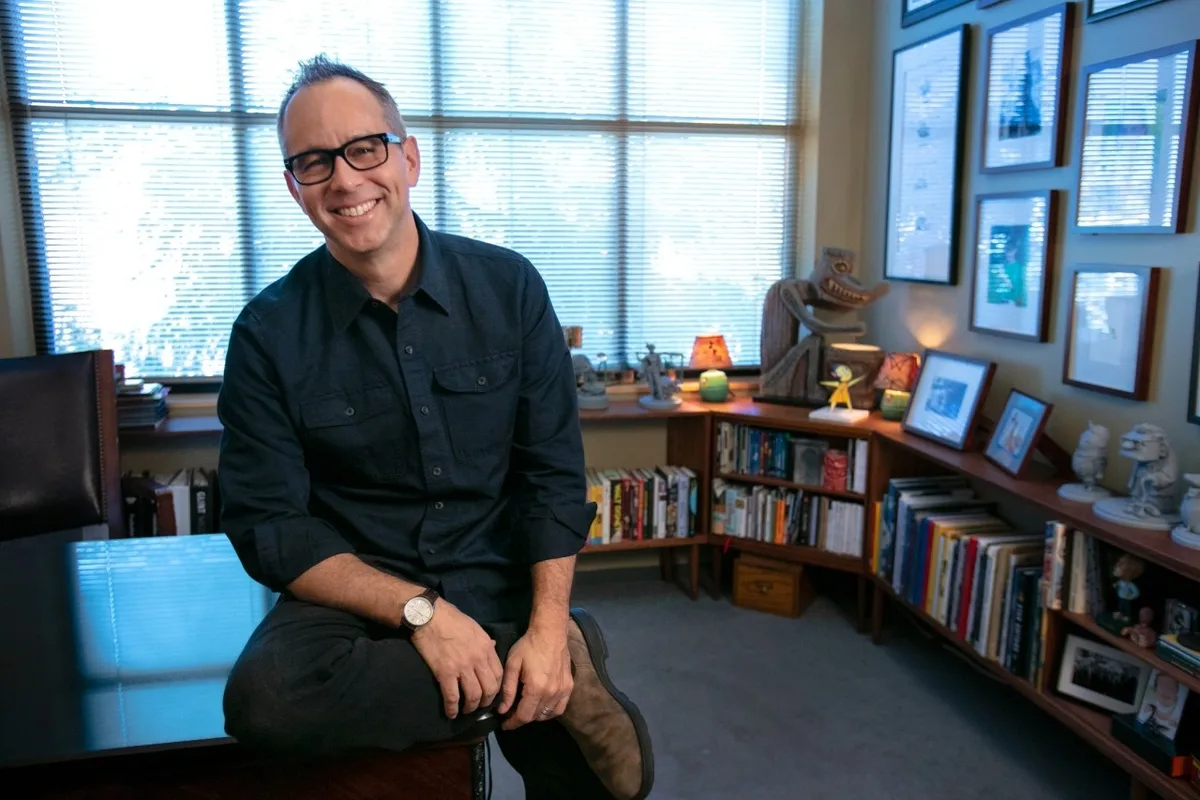
Under the new structure, he will partner with Docter in overseeing the studio's directors and creative vice presidents.
His responsibilities will also cover development, casting and departments involved in advising and supporting the creative content of films.
Docter and Rivera are expected to serve as executive producers on Pixar's future features.
This arrangement creates a clearer division between production operations, supervised by Garson, and the creative development structure led by Docter and Rivera.
Rivera is not replacing Docter. Rather, the appointment gives him a more substantial position in the creative organization that Docter continues to lead.
The collaboration is grounded in decades of experience inside Pixar, making the transition more about distributing responsibility than introducing a new external creative philosophy.
Toy Story 5 provides a strong commercial backdrop
The announcement comes during a comparatively favorable period for Pixar's theatrical business.
Toy Story 5 has generated more than $1.1 billion worldwide following its 2026 release, reinforcing the commercial value of one of the studio's longest-running franchises.
The success follows a turbulent period earlier in the decade, when some Pixar releases went directly to Disney+ and others struggled to reach the theatrical performance expected of the studio.
Elemental eventually demonstrated considerable audience resilience, while Inside Out 2 delivered a particularly strong global theatrical result in 2024.
Together with Toy Story 5, those releases have helped restore confidence in the ability of Pixar's animated features to draw large audiences to cinemas.
However, the recovery does not eliminate the creative and commercial challenges facing the studio.
Producing a successful sequel to a globally recognizable franchise is different from introducing a new animated world without an established audience.
Pixar must continue to manage both types of projects, with different levels of financial risk and marketing complexity.
The November leadership announcement does not introduce a new policy prioritizing sequels over original films. It establishes who will supervise an existing production operation and creative development structure.
Gatto and Ghost Market remain part of the upcoming slate
The studio's announced future releases include Gatto, scheduled for March 5, 2027.
Ghost Market is currently dated for March 10, 2028, while Incredibles 3 is expected in June of that year.
The release calendar demonstrates that the next leadership team will inherit projects at different stages of development and production.
Original films and returning franchises require different promotional approaches, even when they are produced using the same studio infrastructure.
The involvement of Morris in Incredibles 3 also gives the transition a direct connection to an upcoming release.
His executive producer credit will continue after he gives up the president's operational responsibilities.
The announced dates remain scheduled release plans rather than guarantees that no changes will occur before theatrical distribution.
Disney has not connected the leadership transition with the cancellation or postponement of any of these films.
The balance between original stories and franchises remains a challenge
Garson's background in marketing and franchise strategy may raise questions about Pixar's future creative priorities.
The appointment itself does not establish that the studio intends to increase its reliance on sequels.
But the issue is relevant because large animation companies face a persistent tension between recognizable intellectual property and new concepts.
A Toy Story sequel comes with decades of familiarity. Audiences understand its characters and emotional territory long before the first trailer arrives.
A completely new story requires the studio to establish its premise, visual identity and characters from the beginning.
That difference can affect how a film is financed, promoted and distributed internationally.
Pixar's history includes major original successes alongside commercially powerful franchises. Maintaining that mixture will remain important for its identity, regardless of who holds the president's position.
The new management arrangement brings together executives with different strengths: Garson in operations and franchise management, Docter in filmmaking and creative direction, and Rivera in production and the development of individual stories.
Whether that combination changes the studio's output will become visible through the films it eventually completes, rather than through the titles of its executives alone.
A leadership transition designed around continuity
The structure announced by Disney is straightforward in its timing but significant in its distribution of responsibility.
Garson becomes president on January 4, 2027. Morris moves to president emeritus and continues contributing to selected projects. Docter remains chief creative officer, and Rivera receives broader creative oversight.
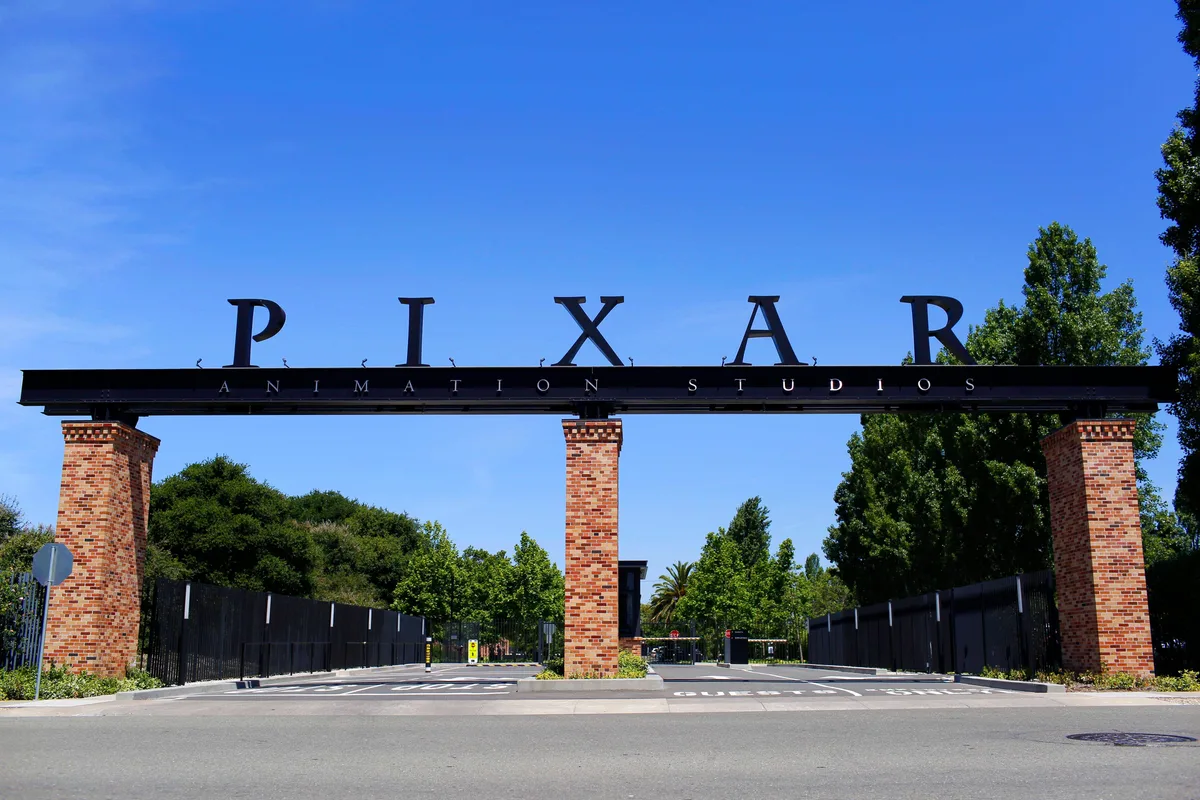
All four men have longstanding connections to Pixar, and their professional relationships predate the announcement by many years.
That continuity should help the studio manage the transition without immediately changing the production teams responsible for individual films.
It does not remove the larger pressures facing animation: lengthy production schedules, substantial budgets, the changing relationship between theaters and streaming, and the challenge of developing original stories that can reach global audiences.
No workforce restructuring, studio closure or immediate overhaul of Pixar's creative slate has been announced as part of the succession.
The first concrete milestone is therefore January 4, when Garson officially takes charge of the studio's operations.
The more meaningful measure of the new leadership will emerge over subsequent years, as Pixar's upcoming films move from development into theaters.