
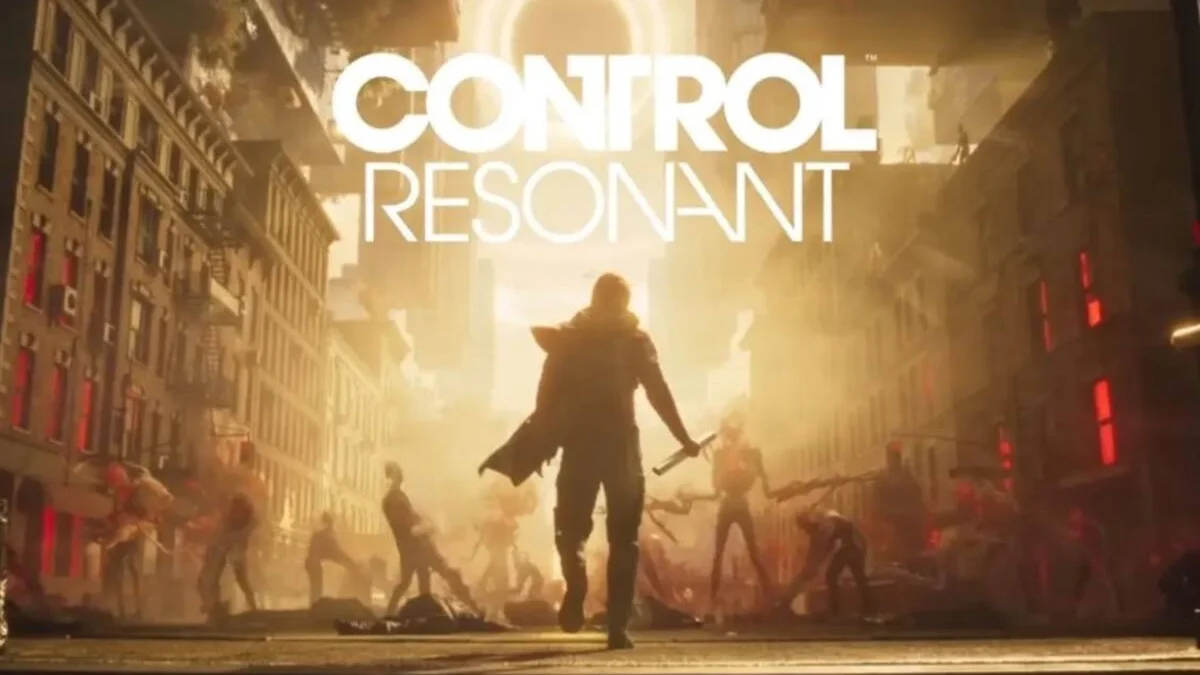
Manhattan has become an impossible place. Streets rise into the sky, buildings collide with contradictory geometries, and ordinary urban objects seem suspended inside an enormous supernatural event. CONTROL Resonant transforms a familiar metropolis into a collection of visions that could only have emerged from Remedy's particular imagination.
The original Control made a government building terrifying by allowing bureaucracy and cosmic horror to occupy the same corridors. Resonant moves outside those walls. Its supernatural crisis now consumes an entire city, exchanging oppressive intimacy for spectacular scale.
That change is the sequel's greatest visual achievement and one of its most significant artistic compromises.
An entire city becomes an impossible composition
The Oldest House was memorable because its architectural logic was never entirely trustworthy. Corridors led to unsettling spaces, concrete surfaces concealed dangerous phenomena, and ordinary office equipment existed alongside incomprehensible supernatural forces.
Resonant applies similar ideas to Manhattan, but the effect is dramatically different. The environment is no longer defined primarily by enclosure. Its impossible architecture creates spectacular views, with entire sections of the city rearranged around gravity-defying structures.
Dylan's traversal abilities are an essential part of that visual design. Moving across vertical streets or navigating structures that appear to fold into one another makes the environment feel active rather than merely decorative.
Some of the strongest moments emerge from discovering how recognizable urban spaces have been transformed. A car park, rooftop or street can suddenly become a setting for a surreal movement sequence.
The result is often magnificent. Yet the open setting also changes how mystery operates. Where the original game could make a nearly empty corridor feel threatening, Resonant frequently depends on scale and visual astonishment.
A different Faden changes the emotional center
Dylan Faden is not a straightforward replacement for his sister Jesse. His history carries uncomfortable consequences, and the Federal Bureau of Control has good reasons to regard him with suspicion.
After years of confinement and the events surrounding the Hiss, Dylan awakens to a crisis that demands his help. Jesse is missing, Manhattan is collapsing under paranatural forces, and his extraordinary abilities suddenly become valuable to the organization that once imprisoned him.
The story gives him a recognizable emotional journey. He is trying to confront his past while searching for his sister and establishing a different relationship with the world.
That narrative clarity gives Resonant an accessible emotional foundation. Dylan's interactions with Bureau personnel provide moments of warmth and vulnerability between supernatural disasters.
It also makes the sequel more conventional. The original Control possessed a disorienting quality that extended well beyond its plot. Jesse was exploring an institution whose motives, history and internal logic constantly resisted simple interpretation.
Resonant preserves many mysteries within its world, but Dylan's personal trajectory is easier to understand. Redemption becomes a recognizable framework for the adventure.
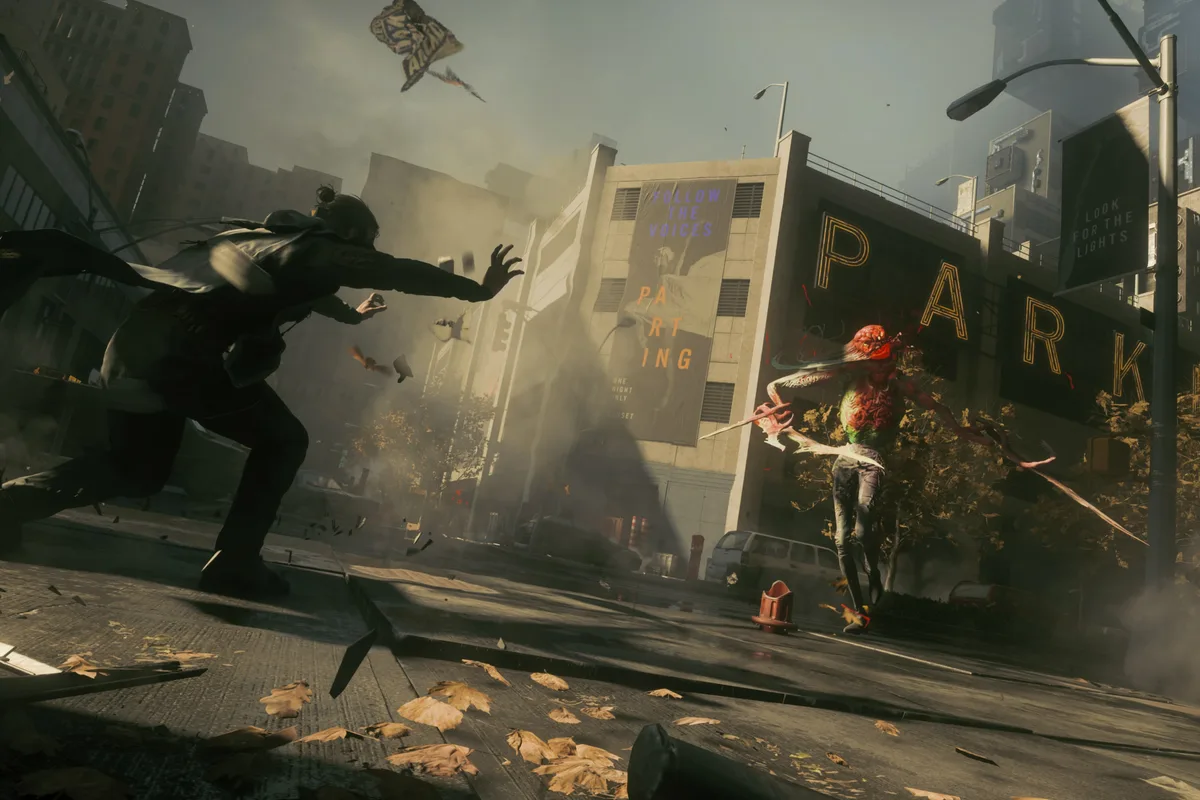
A spectacular world interrupted by ordinary combat
The game's commitment to melee-focused action creates an unusual tension with its artistic strengths.
Dylan's Aberrant can transform into different weapons, supporting combat built around close-range attacks, supernatural abilities and character progression. The system produces striking encounters, particularly when confronting the extraordinary Resonants.
Ordinary battles are less consistently compelling. Some enemies take too long to defeat, and extended encounters can interrupt the atmosphere carefully established by the environments.
The visual imagination remains impressive, but not every fight is equally expressive. A remarkable supernatural creature can become less mysterious when the encounter revolves around repeating familiar attacks against an unusually durable health bar.
Music and sound design help sustain the fiction. Petri Alanko's atmospheric compositions complement the game's unsettling spaces, while carefully constructed audio textures lend the distorted world a recognizable sonic identity.
The audiovisual presentation reaches its strongest moments when movement, music and architecture reinforce one another. These sequences can feel more memorable than the major narrative revelations surrounding them.
A more approachable kind of cosmic horror
Control Resonant is an unusual sequel because its commitment to expanding the original concept sometimes makes the experience feel less alien.
The larger world, RPG progression and more direct emotional story introduce familiar conventions into a universe previously distinguished by its refusal to provide comfortable explanations.
That does not erase Remedy's distinctive character. The Bureau's absurd records, supernatural imagery and distorted urban spaces remain fascinating. Dylan's struggle also provides a meaningful perspective on guilt, responsibility and the possibility of change.
The result is not quite the same unsettling work as the original Control. It is broader, more emotionally transparent and occasionally less mysterious. But its vision of Manhattan contains an extraordinary collection of images, and its protagonist gives the supernatural catastrophe a human center.